

Oil prices surge above $100 amid escalating Middle East conflict
Oil prices surge above $100 amid escalating Middle East conflict
- Petrol and diesel prices in the UK have surged due to rising oil prices linked to the Iran conflict.
- Estimates show that taxes contribute at least 50% of the price paid at the pump.
- As the situation deteriorates, consumers are likely to continue facing increased fuel costs.
Story
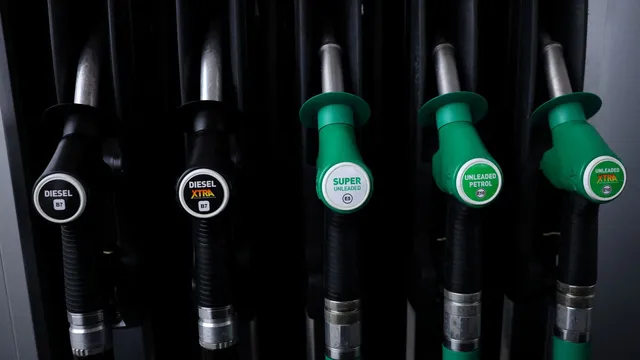
In the UK, petrol and diesel prices have seen a dramatic rise recently, primarily attributed to the escalating conflict in the Middle East. As tensions heightened following the launch of US airstrikes on Iran, oil prices jumped significantly, surpassing the $100 per barrel mark for the first time since 2022. This spike in oil costs has a direct impact on the price consumers are facing at the pumps, with petrol prices hitting levels not seen in nearly three years. Current data indicates that the average cost for unleaded petrol has reached approximately 142.62p per litre, while diesel stands at around 162.66p per litre. This represents a notable increase in costs over the past weeks, with prices climbing between 9.8p and 20.3p per litre. The increase has created a corresponding financial burden on drivers, with the cost of filling a 55-litre family diesel car rising by as much as £11.16 in just over two weeks. The rise in prices is attributed not only to the conflict's impact on oil prices but also to various taxes included in fuel costs. Fuel duty currently stands at 52.95p per litre, which includes a temporary 5p reduction that was introduced last year in light of the Ukraine war. The government estimates that this fuel duty generates around £24 billion in revenue, accounting for approximately 1.9% of total government income. However, critics are calling for the government to delay any planned increases in fuel duty that could further burden consumers. As the conflict in the Middle East continues, analysts and automotive organizations are cautioning motorists about the potential for rising fuel costs to affect other sectors as diesel vehicles play a significant role in delivering goods and services. Many are being urged to consider reducing non-essential travel as a way to manage their fuel expenses. With the uncertainty surrounding the conflict's duration, the implications for fuel prices and consumer spending remain a pressing concern for the UK economy.
Context
The impact of Middle East conflict on oil prices is a complex dynamic shaped by geopolitical tensions, production capacities, and market perceptions. Historically, the Middle East has been at the center of global oil production, with countries such as Saudi Arabia, Iraq, and Iran being some of the largest exporters in the world. Conflicts in this region often lead to immediate concerns over the stability of oil supplies, resulting in fluctuations in global oil prices. The ongoing instability can deter investments in oil infrastructure and lead to increased volatility in the market, with traders reacting to news of conflicts, ceasefires, or diplomatic interventions. The supply-demand relationship plays a crucial role in determining oil prices. When conflicts arise, the fear of supply disruptions tends to increase demand for crude oil as a hedge against potential shortages. This was evident during various conflicts in the region, where prices spiked in anticipation of disruptions. Furthermore, countries heavily reliant on oil imports face increased tension in their economies during periods of high oil prices, leading to inflationary pressure and reduced economic growth. The oil market's response to geopolitical developments can be swift and pronounced, as seen in past instances where military action or civil unrest escalated. Additionally, the influence of major organizations such as OPEC (Organization of the Petroleum Exporting Countries) complicates the scenario. OPEC's decisions on production levels can either exacerbate or mitigate the effects of regional conflicts on oil prices. For example, if an OPEC member experiences conflict and its oil production is affected, the organization may choose to cut production elsewhere to stabilize prices. Conversely, if a member is at odds with other producers, it may push for higher output amid apprehension about a competing nation’s stability, subsequently affecting global supply. The interplay between geopolitical situations and OPEC policies creates an intricate web that influences oil pricing mechanisms on a global scale. In conclusion, conflicts in the Middle East significantly impact oil prices through a combination of immediate supply concerns, shifts in market sentiment, and the broader implications of production decisions made by influential oil-producing nations. Investors and policymakers closely monitor developments in the region, understanding that any escalation can lead to rapid changes in oil prices, which in turn can influence global economic conditions. A stable geopolitical landscape in the Middle East is thus critical for maintaining predictable oil prices, which are integral to the functioning of the global economy.


