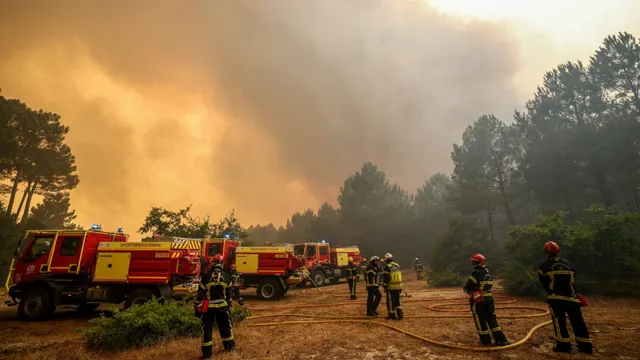
Climate change has emerged as a significant factor influencing the frequency and intensity of wildfires across Europe. Rising temperatures, prolonged droughts, and shifting precipitation patterns have created an environment conducive to wildfires. The Mediterranean region, in particular, has experienced a marked increase in wildfire incidents, with hotter summers and drier conditions exacerbating the risk. These changes are not only a result of natural variability but are increasingly linked to anthropogenic climate change, which has altered the landscape and ecosystems that are susceptible to fire. As a result, the fire season has lengthened, and the area burned by wildfires has expanded, posing a threat to biodiversity, human health, and property.
The impact of climate change on wildfires is multifaceted. Higher temperatures lead to increased evaporation rates, which dry out vegetation and make it more flammable. Additionally, changes in land use and forest management practices can contribute to the accumulation of fuel loads, further increasing the risk of wildfires. The interplay between climate factors and human activities creates a complex scenario where wildfires can become more frequent and severe. Furthermore, the effects of wildfires extend beyond immediate destruction; they can lead to long-term ecological changes, including shifts in species composition and habitat loss, which can take decades to recover.
In response to the growing threat of wildfires, European countries are implementing various strategies to mitigate their impact. These include improving forest management practices, enhancing early warning systems, and increasing public awareness about fire risks. Collaborative efforts at the European level aim to share knowledge and resources to better prepare for and respond to wildfires. Additionally, there is a push for policies that address the root causes of climate change, such as reducing greenhouse gas emissions, to help stabilize the climate and reduce the likelihood of extreme weather events that contribute to wildfire risks.
Ultimately, addressing the impact of climate change on wildfires in Europe requires a comprehensive approach that combines scientific research, policy development, and community engagement. As the climate continues to change, ongoing monitoring and adaptation will be essential to protect ecosystems, human lives, and property from the devastating effects of wildfires. The urgency of this issue cannot be overstated, as the consequences of inaction could lead to increasingly severe wildfires, threatening not only the environment but also the safety and well-being of communities across Europe.