

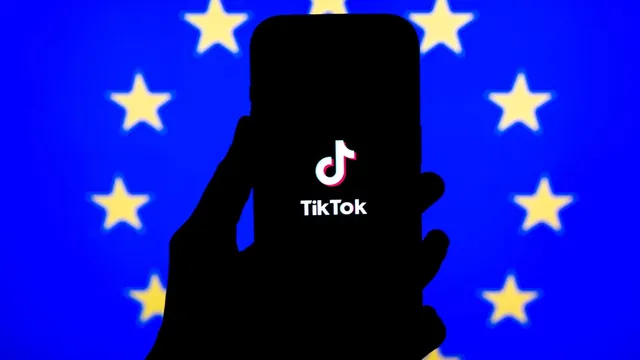
EU lawmakers demand investigation into TikTok over censorship allegations
EU lawmakers demand investigation into TikTok over censorship allegations
- European lawmakers have raised concerns about TikTok allegedly censoring content related to sensitive political issues since Oracle's acquisition.
- A coalition of lawmakers has formally requested an investigation into TikTok's practices regarding freedom of expression in the EU.
- The situation reflects broader tensions over digital expression and regulatory influence between Europe and the United States.
Story
In early February 2026, European lawmakers from left-leaning parties in the EU expressed concerns regarding TikTok's operations following a change in ownership. Allegations surfaced that, since Oracle's Larry Ellison, a Donald Trump ally, became one of TikTok's new owners, the platform began to censor content related to sensitive topics, including the Epstein files and protests linked to U.S. Immigration and Customs Enforcement in Minnesota. Reports indicated that users experienced glitches, low view counts, and increased difficulty in uploading posts that mentioned these issues. These incidents have raised alarms over the platform's impact on freedom of expression and civic discourse. The lawmakers, a coalition of 32 representatives primarily from the Greens party, formally requested the European Commission to look into these issues and assess whether TikTok was causing a systemic risk to free speech within the EU. The coalition cited personal experiences with technical glitches and low engagement metrics, which seemed to disproportionately affect content relating to controversial subjects. In response to the allegations, TikTok stated that any disruption experienced by users had stemmed from technical problems rather than intentional censorship measures. This incident coincided with a broader discussion occurring in the United States about European regulations perceived as threats to free speech. The U.S. House Judiciary Committee was holding hearings focused on what it described as a global censorship regime led by the EU. The committee's findings indicated European Commission efforts to pressure tech companies into moderating content deemed unacceptable, often under the guise of combating misinformation. They highlighted that offensive content regarding issues like COVID-19 and immigration policies faced suppression, directly impacting American users' rights to express themselves. The context of these events raises questions about the balance between regulation, corporate ownership, and freedom of expression. TikTok, already under scrutiny for compliance with the Digital Services Act in the EU, is purported to be cooperative with regulatory bodies and is implementing measures to align with the law. However, the ongoing investigations and heightened tensions between U.S. and EU legislators spotlight the complexities surrounding digital speech and the platforms facilitating such dialogue. The outcome of these investigations may influence future regulations impacting not only TikTok but the wider landscape of social media and free expression across borders.


