

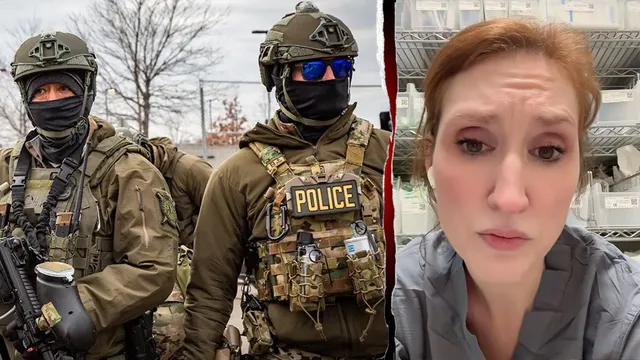
Nurse fired for suggesting drugging ICE agents in viral videos
Nurse fired for suggesting drugging ICE agents in viral videos
- Malinda Cook, a nurse at VCU Health, posted videos suggesting harmful actions against ICE agents.
- Following the viral backlash, VCU Health conducted an investigation, declaring her actions inappropriate.
- Cook was fired for actions that conflicted with the values of the healthcare system, highlighting implications for employee conduct in hospitals.
Story
In January 2026, a Virginia nurse named Malinda Cook, employed by Virginia Commonwealth University (VCU) Health, made headlines after posting a series of controversial videos on TikTok. These videos, which suggested inappropriate tactics against federal Immigration and Customs Enforcement (ICE) agents, sparked a thorough investigation by VCU Health and local authorities. The health system initially placed Cook on administrative leave before terminating her employment, citing that the actions depicted in her videos contradicted the organization's values and expectations for healthcare professionals. Cook's videos included alarming recommendations for fellow healthcare providers, wherein she proposed using a paralytic drug called succinylcholine and other means to 'sabotage' ICE agents. The contents of the videos depicted a range of extreme and troubling strategies, including suggesting that women date ICE agents and covertly poison their food and drinks, claiming such actions could help the cause against immigration enforcement. VCU Health quickly condemned Cook's comments, asserting that they jeopardized public trust and safety, and emphasized their commitment to ethical standards in patient care. Following the viral response to these videos, significant public debate arose surrounding the responsibilities of healthcare professionals in political matters, particularly when their actions could endanger the safety of individuals. Advocacy groups criticized Cook's behavior, highlighting the risks of politicizing healthcare roles. The incident not only led to Cook's dismissal but also raised concerns about the influence of extreme political ideologies within the healthcare system, prompting calls for accountability and professional standards. The fallout from this incident has implications beyond just Cook's employment status; it underscores a growing trend regarding employees in healthcare expressing radical political views on social media. Both VCU Health and other organizations face scrutiny on how to approach such behavior while maintaining their commitment to patient care and professional integrity. As the investigation continues, the public watches closely to see how similar incidents will be managed in the future, stressing the importance of upholding ethical practices in healthcare environments.
Context
The advent of social media has transformed communication and information sharing, significantly impacting various sectors, including healthcare. With this evolution comes the responsibility of healthcare professionals to navigate online interactions in a manner that upholds ethical standards. Ethical guidelines for healthcare professionals in social media use emphasize the importance of maintaining patient confidentiality, professionalism, and integrity. These guidelines are essential in fostering trust, ensuring that patients feel secure in their interactions with healthcare providers in digital environments. As professionals extend their presence onto platforms such as Facebook, Twitter, and Instagram, they must remain vigilant about the potential consequences of sharing sensitive information, even inadvertently, and the long-lasting digital footprints that their online behavior can create. Healthcare professionals should adhere to the principle of patient confidentiality as a fundamental ethical obligation. This requires practitioners to take proactive measures to protect patient information when discussing cases on social media, ensuring that no identifying details are disclosed. Moreover, conversations that occur in public forums may be misconstrued, hence practitioners are encouraged to avoid discussing specific patient scenarios unless they have explicit consent from the individual involved. By upholding these standards, healthcare professionals not only comply with legal regulations such as HIPAA but also nurture a culture of respect and confidentiality that is paramount in the patient-provider relationship. Another significant guideline revolves around the portrayal of professionalism online. As representatives of their profession, healthcare workers must engage in social media activities that reflect their commitment to high ethical standards. This includes careful consideration of content shared on personal versus professional accounts and distinguishing between the two. Professionals should refrain from sharing unverified information or engaging in quarrels that could harm their reputation or that of their profession. Instead, they can utilize social media as an effective tool for disseminating accurate health information, educating the public, and fostering a support network among peers. By doing so, healthcare professionals contribute positively to public health discourse while maintaining their professional integrity. Lastly, healthcare professionals are encouraged to engage in ongoing education about the implications of social media use in their field. As platforms and policies evolve, staying informed about the legal and ethical ramifications of online behavior is crucial. Participating in workshops, utilizing resources from professional bodies, and engaging in discussions with colleagues can enhance understanding of ethical online practices. In conclusion, by adhering to ethical guidelines in social media use, healthcare professionals can safeguard patient confidentiality, uphold their professional standards, and guide public health communication effectively.


