

humanities
informative
controversial
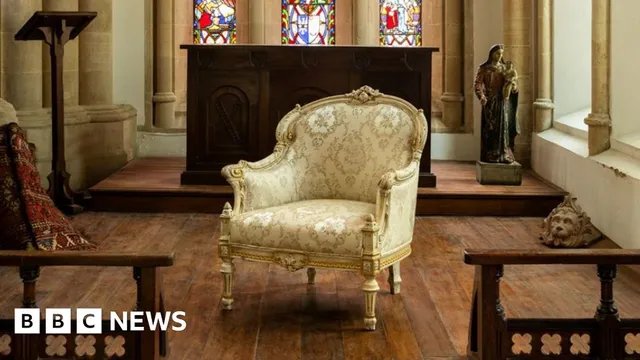
Exhibition highlights India's cultural history through antique chairs
Mar 14, 2026, 1:13 AM20
(Update: Mar 16, 2026, 1:01 AM)
humanities
informative
controversial
Exhibition highlights India's cultural history through antique chairs
- An exhibition in Mumbai displayed over 200 chairs showcasing India's cultural history from pre-colonial to contemporary times.
- The chairs reflect the blending of Indian and European designs, influenced by colonial invasions from the 16th to 19th centuries.
- The exhibition highlights the importance of furniture in understanding India's complex cultural and colonial past.
Insights
News 2 2
Related reports
Opinions
Story
“
trends impact shift trends policy analysis impact analysis policy shift trends shift geopolitical geopolitical strategic global strategic trends market global policy shift market impact global trends insight policy impact shift trends strategic analysis geopolitical impact shift insight policy global trends geopolitical market policy shift global trends insight economic trends market shift economic data shift shift strategic policy global impact policy market economic policy insight policy insight data strategic insight shift market trends shift geopolitical geopolitical impact trends insight market shift...
2026 All rights reserved



2026 All rights reserved