

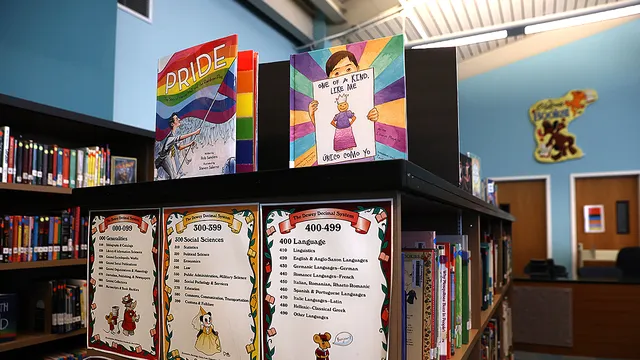
Massachusetts advances bill to protect library books from censorship
Massachusetts advances bill to protect library books from censorship
- Massachusetts lawmakers approved a bill that sets rules for challenging books in libraries.
- The bill mandates that materials must be educational, age-appropriate, and selected based on professional training.
- Opponents claim this could restrict parental rights and facilitate censorship of certain viewpoints.
Story
In Massachusetts, a significant move took place as Democrats and some Republicans pushed a bill aimed at countering politically motivated attempts to ban certain books from libraries. The legislation, which was approved by the Massachusetts Senate with a 35-3 vote and referred to the House Committee on Ways and Means, sets stringent guidelines regarding how books in schools and public libraries can be challenged and potentially removed. The bill mandates that school materials must be age-appropriate, educational, and selected based on professional training rather than personal or political opinions. Proponents, including state Sen. Jason Lewis, emphasize the importance of guarding freedom of expression and the right to read, highlighting the demographic shift in attempts to silence diverse authors in light of political discord. The bill requires public hearings and review committee evaluations before any material can be taken off the shelves, reinforcing that the educational role of literature remains paramount. Critics, however, argue that this legislation could hinder parental rights, labeling it derogatorily as the 'Pornographic Schoolbooks Bill.' Concurrently, events in North Carolina illustrate a contrasting landscape regarding library book policies. The Randolph County Library Board found itself dissolved after voting to retain 'Call Me Max', a children's book dealing with transgender themes, despite pushback from local commissioners. The board had opted to keep the book following a vote that revealed great division within the community about safeguarding materials for young readers versus addressing diverse voices. These legislative actions reflect broader national debates on the regulation of educational content and the rights of parents and guardians in deciding what is appropriate for their children. Both the Massachusetts bill and the dissolution of the North Carolina library board underscore the tensions surrounding free expression in literature and the ongoing struggle over what constitutes appropriate educational material for children in today’s socio-political climate.


