

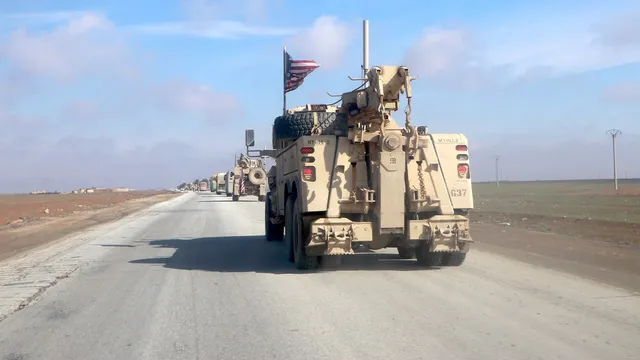
US military completes withdrawal from crucial al-Tanf base in Syria
US military completes withdrawal from crucial al-Tanf base in Syria
- U.S. Central Command announced the completion of military withdrawal from al-Tanf Garrison in Syria on February 11, 2026.
- The Syrian government has taken control of the base and is deploying forces along the borders with Iraq and Jordan.
- The U.S. withdrawal signifies a shift in military strategy and may have implications for regional security dynamics.
Story
On February 11, 2026, the U.S. military completed its withdrawal from al-Tanf Garrison, a strategic base in Syria, as announced by U.S. Central Command. This move is part of a broader recalibration of U.S. military presence in the region under Operation Inherent Resolve, which began in 2014 to combat the ISIS threat. The withdrawal saw Syrian government forces take control of the base, with units dispatched to secure the surrounding areas along the border with Iraq and Jordan, following a handover coordinated with U.S. officials. Historically, al-Tanf Garrison has served as a vital hub for U.S. efforts in ensuring regional security and countering ISIS resurgence after its territorial defeat in 2019. Amid ongoing security challenges, the base provided essential intelligence and facilitated operational access across the borders. Analysts, including Caroline Rose from the New Lines Institute, emphasized the site's pivotal role in American deterrence strategies against Iran-backed militias while highlighting that the withdrawal indicates U.S. confidence in current counter-ISIS operations and regional dynamics. Despite the troop withdrawal from al-Tanf, U.S. forces are poised to respond to any potential threats posed by ISIS. Reports indicate that, in the preceding months, U.S. troops engaged in extensive airstrike operations, targeting over 100 ISIS-related positions and neutralizing numerous fighters as part of ongoing counter-terrorism efforts. The Pentagon's strategic reevaluation emphasizes a shift toward a more consolidated presence as foreign policy in the region continues to evolve. However, the pullout raises concerns for regional allies, particularly Jordan, which has relied on the U.S. presence at al-Tanf as a deterrent against hostile actors. Officials have expressed apprehension about the security implications of the U.S. withdrawal, signaling a critical juncture for ongoing counter-terrorism and regional stability operations as the Syrian government assumes a more prominent role in managing security responsibilities, including detaining ISIS affiliates in collaboration with the U.S.
Context
The US military strategy in the Middle East in 2026 reflects a complex response to the evolving geopolitical landscape, characterized by both conventional military capabilities and an increasing focus on unconventional warfare. The region continues to be shaped by the ongoing impacts of previous conflicts, the resurgence of terrorist organizations, and tensions among nation-states. Key objectives of the US military presence remain centered on safeguarding national security interests, countering regional threats, and promoting stability through partnership with allied nations. In recent years, the US has placed greater emphasis on multilateral engagement in regional security architectures, recognizing that addressing the root causes of instability often requires collaboration with local partners and international organizations. The US military strategy increasingly prioritizes deterrence, particularly in the face of potential aggression from adversaries such as Iran and non-state actors. By enhancing military readiness and conducting joint exercises with allied forces in the region, the US seeks to send a clear message of resolve to those that might challenge its interests or the security of its allies. The strategy also underscores the importance of intelligence sharing, cyber capabilities, and the integration of advanced technologies, which have become vital to modern military operations in urban and asymmetric warfare environments. Furthermore, the expanding role of unconventional warfare, including special operations forces and counter-terrorism initiatives, underlines a shift towards more flexible and adaptive military strategies that can respond to the fluid nature of threats. In addition to direct military engagement, the US aims to bolster diplomatic efforts and economic initiatives within the region. This involves supporting governance reforms, enhancing civil society, and fostering economic development as critical components of a holistic approach to security. By addressing socioeconomic challenges, the US strategy seeks to diminish the factors that contribute to instability and extremism. Engaging with regional allies through defense cooperation agreements and arms sales remains essential for ensuring that partner nations can actively contribute to their own security and regional resilience. The US military strategy in the Middle East for 2026 is designed to adapt to a rapidly changing environment, focusing on a blend of deterrence, collaboration, and comprehensive engagement. While the challenges are significant, the ongoing commitment to partnership, transparency, and mutual regard for sovereignty will be pivotal for both US interests and regional peace. As the dynamics of power continue to shift, the US military remains poised to adjust its approach based on real-time intelligence and evolving geopolitical realities, ensuring that it remains a decisive actor in the Middle East.


