

UK energy crisis reveals vulnerability amid rising oil prices
UK energy crisis reveals vulnerability amid rising oil prices
- Experts warn that the UK's energy supply is vulnerable due to tensions in the Middle East, particularly with Iran.
- Nick Butler mentions that the government may need to consider temporary restrictions, like speed limits, to manage fuel consumption.
- Greg Jackson advocates for investing in renewable energy alternatives to reduce dependence on foreign oil and gas.
Story
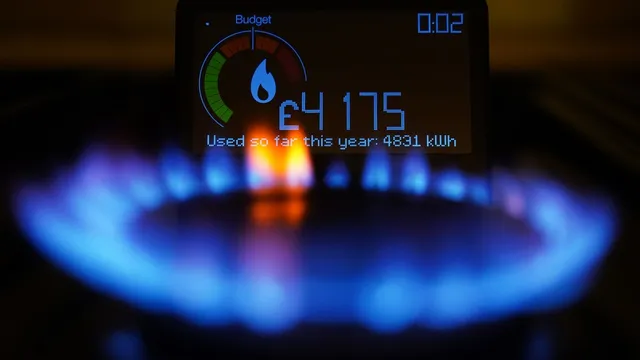
The United Kingdom is facing significant challenges regarding its energy supply due to escalating tensions in the Middle East, particularly as the conflict regarding Iran worsens. Experts are sounding alarms that if these issues persist, the UK could be reminiscent of the energy crises experienced in the 1970s. Notably, Nick Butler, a former BP executive, emphasizes that the government might implement measures such as temporary speed limits to control fuel consumption if motorists experience increased fuel prices at the pumps. There is a growing concern that essential services, including the NHS and food delivery systems, may face risks due to shortages, prompting discussions of potential fuel rationing similar to the historical rationing practices considered in the 1970s. In addition, Greg Jackson, the founder of Octopus Energy, is advocating for a transition towards renewable energy solutions. He argues that reliance on foreign oil and gas has rendered the UK's energy market unsustainable, pointing out that only a small percentage of the vehicle fleet is electric compared to other countries like Norway. Jackson criticizes the governmental push for more oil and gas extraction, stating that this approach is not the only, nor the best solution. Investments in renewable energies and electric vehicles are crucial if the UK aims to avoid severe consequences from future energy crises. Experts agree on the urgent need for a change in the UK’s energy strategy. The potential approval of projects like the Rosebank oil field raises concerns about sustainability, especially as the nation must prioritize adapting to renewable energies while minimizing dependency on fossil fuels. The government faces pressure to respond decisively to the ongoing crisis, taking lessons from history while harnessing current technologies to fuel a transition to a more sustainable future in energy production. The current global scenario has illuminated critical shortcomings in the UK’s approach to energy security. The government's past subsidization of energy bills, amounting to significant financial commitments, highlights the urgent need for a pragmatic shift toward more reliable and environmentally-friendly energy sources. Experts warn that failure to adapt may leave the UK increasingly vulnerable in a market defined by global fuel price volatility and geopolitical instability.
Context
policy analysis analysis trends geopolitical market trends insight strategic impact strategic market trends policy global policy shift economic strategic impact market global economic shift strategic economic geopolitical policy geopolitical strategic global insight geopolitical economic economic insight analysis shift strategic insight data trends shift trends data policy data market impact economic policy policy market shift insight data trends data global strategic global market economic market shift insight policy insight policy insight geopolitical market shift geopolitical insight analysis shift economic policy economic...


