

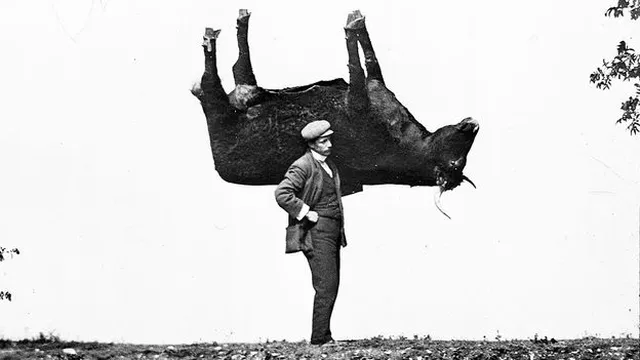
Cherry Kearton inspired David Attenborough through groundbreaking wildlife photography
Cherry Kearton inspired David Attenborough through groundbreaking wildlife photography
- Cherry and Richard Kearton were pioneers of wildlife photography in the late 1800s.
- They captured the first-ever photographs of birds' nests and invented techniques for wildlife documentation.
- Their work inspired Sir David Attenborough, shaping his future career in natural history broadcasting.
Story
In the late 1800s, Richard and Cherry Kearton grew up in Yorkshire, England. They ventured into wildlife photography and filmmaking at a time when it was virtually unheard of. Cherry, who became known for his exceptional photography skills, along with his brother Richard, captured the first-ever photographs of birds' nests and eggs. Their project emerged from an idea to illustrate a book purely with photographs, which was novel for its time. Additionally, Cherry devised innovative techniques for wildlife photography, including the construction of animal hides, and even recorded the first known sound of a bird in the wild. Their quest to document British bird life led them to create thousands of photographs, which not only showcased their artistic vision but also contributed significantly to the field of natural history. The Keartons actively promoted education about wildlife and nature, and they collaborated on several film projects, one of which included John Bevis Kearton's acclaimed film titled "Roosevelt in Africa," released in 1910. It was during these travels and lectures that Sir David Attenborough was captivated by the Keartons' work. As a boy, Attenborough was deeply influenced by Cherry Kearton's innovative approach and passion for documenting nature. This fascination ignited in him a lifelong interest in natural history, leading him to become one of the most recognized naturalists and broadcasters of his generation. His connection to the Keartons and their pioneering work motivated him to explore and share the beauty of the natural world through his own programs, transforming wildlife documentaries and sparking a widespread interest in environmental conservation. The impact of the Kearton brothers transcended their time, paving the way for modern wildlife filmmaking and shaping how audiences perceive nature. The legacy of the Keartons highlights the importance of curiosity, exploration, and innovation in wildlife documentation. Their early contributions inspired not only a generation of filmmakers and photographers but also fostered an enduring appreciation for wildlife and conservation efforts among the public. The evolution of wildlife photography is closely linked to the trail blazed by the Keartons, as their work laid the groundwork for subsequent generations to continue exploring and documenting the complexities of the natural world.


