

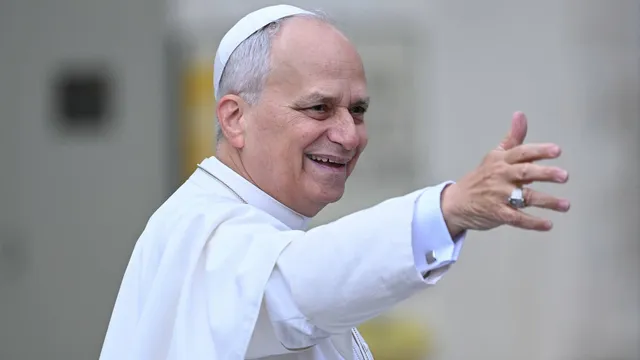
Pope Leo XIV prays for a welcoming Rome as he closes out 2025
Pope Leo XIV prays for a welcoming Rome as he closes out 2025
- Pope Leo XIV presided over a New Year’s Eve vespers service in St. Peter's Basilica.
- He expressed gratitude for the successful Holy Year and highlighted the need for Rome to be welcoming.
- Pope Leo's message emphasizes compassion towards vulnerable groups and calls for community support.
Story
In Italy, on December 31, 2025, Pope Leo XIV presided over a New Year’s Eve vespers service in St. Peter's Basilica. This service marked the closing of the significant 2025 Holy Year, which celebrated Christianity every quarter-century. The Holy Year attracted millions of pilgrims to Rome, contributing to the resurgence of the city’s spiritual and cultural life after a period of struggle under Pope Francis's health issues prior to his death in April 2025. During the service, Leo expressed gratitude towards God for the Jubilee and acknowledged the efforts of volunteers in assisting the many visitors during this time. Throughout his homily, Pope Leo emphasized the importance of making Rome a welcoming city, particularly for vulnerable groups, including the elderly, children, and foreigners seeking a better life. He reflected on Pope Francis’s call for inclusivity and compassion towards those who are often marginalized in society. Leo articulated a vision for the city that emphasizes dignity and support for the less fortunate, reinforcing the notion of community and service as central to the spiritual life of Christians. Following the vespers, statistics were released detailing the impact of the Holy Year, revealing that approximately 3.2 million people participated in liturgies and gatherings throughout the year. This marked a significant increase in attendance, particularly after the election of Pope Leo XIV in May 2025, when the numbers of attendees surged following months of uncertainty in the Vatican. Additionally, the closing of the Jubilee on January 6, 2026, is anticipated to continue the momentum of spiritual renewal and community engagement fostered through this year's events. Pope Leo's tenure as the first pope from the United States has already been characterized by focuses on compassion and outreach, signaling a possible shift in the Vatican's approach towards contemporary issues facing the Church and society. His prayer for a welcoming Rome is not just an emotional appeal but a call to action for the entire community, urging both leaders and citizens to engage in fostering a spirit of hospitality and empathy that reflects the core values of Christianity. As he looks ahead to 2026, there is hope for an era characterized by increased openness and understanding among diverse populations.
Context
The Holy Year 2025 in Rome, a significant event in the Catholic Church, was initiated by Pope Francis with the primary aim of promoting themes of mercy, reconciliation, and peace among all nations. As the event unfolded, it drew millions of pilgrims from around the world to the Vatican, which not only had a deep spiritual impact but also generated extensive social and economic consequences for the city of Rome. Pilgrimages, masses, and various religious activities were organized, fostering a sense of community and a renewed connection to faith for many attendees. This atmosphere of unity and purpose served to reinforce the central tenets of Christianity while attracting those curious about the faith or seeking personal solace during these tumultuous times. The influx of visitors during the Holy Year brought about a significant boost to the local economy. Hotels, restaurants, and retailers in Rome experienced increased business, as pilgrims filled the streets and sought accommodations and services in the city. This economic activity was crucial for many local businesses that had been struggling during preceding years, especially in the wake of the COVID-19 pandemic. Moreover, the city's infrastructure was mobilized to accommodate the surge in visitors, leading to improvements in transportation, cleanliness, and safety measures throughout the city. Thus, the Holy Year not only served spiritual ends but also catalyzed economic revitalization in Rome. However, the event also posed challenges, particularly concerning crowd management and the sustainability of tourism in Rome. Local authorities had to implement stringent regulations to ensure the safety of both visitors and residents. Issues such as waste management, traffic congestion, and maintaining public order needed to be addressed effectively to facilitate a smooth flow of activities throughout the Year. Additionally, there were discussions surrounding the potential long-term impact of increased tourism on Rome's historical sites and the balance that needed to be struck between welcoming visitors and preserving cultural heritage. Strategies for sustainable tourism emerged as a pressing necessity, highlighting the importance of planning for future pilgrimages and religious events. Reflecting on the spiritual and socio-economic ramifications of the Holy Year 2025, it is clear that the event achieved its goal of fostering faith and community while simultaneously generating economic growth. The collaborative efforts of the Church, local authorities, and the community played a significant role in the success of the pilgrimage season. Looking forward, it is essential that the experiences and lessons learned from the Holy Year be applied to future events, ensuring that they continue to promote inclusivity while balancing the needs of the local population and their cultural assets. By recognizing and evaluating the impact of such celebrations, Rome can establish itself as a leading destination for future pilgrimages and religious gatherings.


