

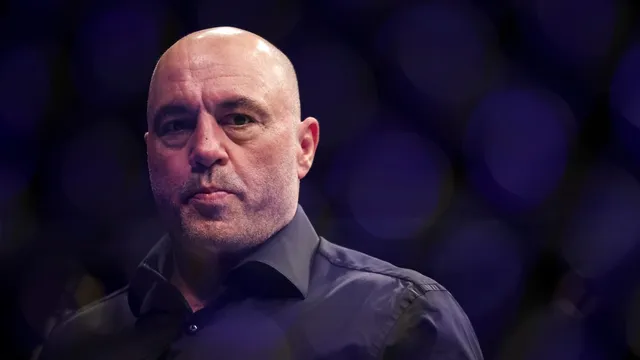
Joe Rogan fuels anti-vaccine sentiment with misinformation about measles
Joe Rogan fuels anti-vaccine sentiment with misinformation about measles
- In February 2025, Joe Rogan claimed on his podcast that measles is a mild illness that everyone gets.
- His statements sparked a backlash from health professionals and social media users for potentially promoting anti-vaccine sentiment.
- Experts warn that misinformation from influential figures like Rogan can pose serious risks to public health.
Story
In February 2025, Joe Rogan, the host of the popular podcast 'The Joe Rogan Experience', commented during an episode that measles was merely an infection everyone experienced as children, suggesting it was not as severe as portrayed. He claimed that those who succumb to measles are typically already compromised health-wise, equating this situation to COVID-19. This assertion has attracted criticism, especially since measles is known to cause serious complications, particularly in young children, including pneumonia and brain inflammation. Such statements have raised concerns about the potential to spread anti-vaccine sentiment among his extensive audience. Rogan's comments about measles are particularly concerning when considering the broader context of vaccination rates and public health discussions. As noted, in 2025, the Centers for Disease Control and Prevention reported 50 measles outbreaks and over 2,000 cases, underscoring the fact that measles can still pose a significant health risk. The comments that Rogan made were seen as dismissive of the severity of these outbreaks, which health professionals argue could lead to more individuals questioning the necessity of vaccinations, thereby compromising herd immunity. Public figures and healthcare professionals responded vocally on social media, pointing out the inaccuracies in Rogan's statements. Some accused him of confusing measles with chickenpox, highlighting that measles is a much more severe illness that can erode the body’s immune memory and leave individuals vulnerable to other infections. Nick Mark, an intensive care physician, commented on Rogan's confusion, noting that the podcaster was born after the measles vaccine was introduced. This context is critical to understanding why such comments may not accurately reflect the realities of measles, especially for those who have not witnessed its serious consequences firsthand. In response to Rogan's comments, experts emphasized the importance of relying on scientific evidence and expert opinions regarding vaccines and infectious diseases. They fear that misinformation from such a prominent figure could undermine public health efforts and lead to more outbreaks in the future. Advocates for public health are calling for greater responsibility among influencers in disseminating accurate information to the public, reinforcing the idea that public health should always take precedence over personal anecdotes or misleading assertions.


