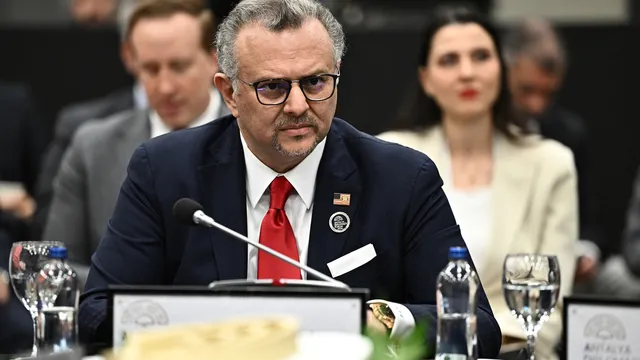
In Libya, a US-backed initiative has emerged to address the ongoing political crisis and institutional divide that has persisted since the 2014 House of Representatives elections. The initiative, led by Massad Boulos, aims to unify the country's executive authorities and integrate state institutions, while also encouraging American investments in the oil sector. This plan has gained traction in eastern Libya, prompting reactions from various factions in the west, including the Government of National Unity led by Abdul Hamid Dbeibeh. The political landscape remains fraught with tension as factions grapple with loyalty and the implications of the proposed changes.
The initiative has sparked intense debate regarding its potential to bridge traditional divides in Libya. Supporters argue that it presents a rare opportunity for stabilization, while critics fear it may entrench local elites and lead to external dictate. The plan has been met with mixed reactions, with some political figures in the west expressing support, while others have voiced concerns about the legitimacy of the process and the potential for a betrayal of past alliances. The situation is further complicated by the ongoing security challenges in western Libya, where armed clashes between local militias continue to disrupt stability.
In addition to the US initiative, the United Nations Support Mission in Libya (UNSMIL) has been working on its own roadmap for national parliamentary and presidential elections. However, previous UN efforts have faced delays and sabotage from Libyan political leaders, raising questions about the effectiveness of international interventions. The failure of the UN plan has led to a perception that the US initiative may be an admission of that failure, as it seeks to establish a new status quo rather than a comprehensive solution.
As the political crisis unfolds, regional diplomacy has intensified, with various countries, including Egypt and Pakistan, engaging in discussions aimed at supporting stability in Libya. The dynamics of the situation remain fluid, with the potential for both progress and setbacks as factions navigate their interests and the implications of external involvement. The future of Libya's political landscape hangs in the balance as stakeholders weigh the risks and opportunities presented by these competing initiatives.