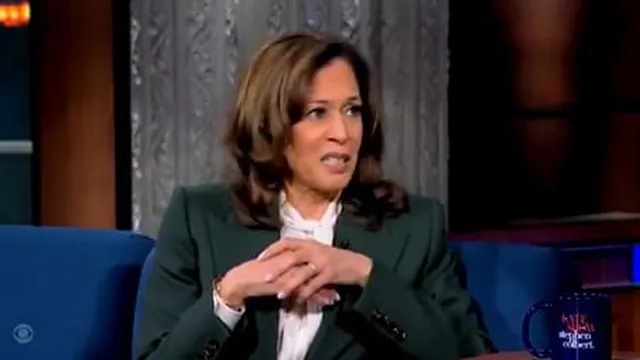
In the United States, a recent poll conducted by the University of New Hampshire has raised concerns about Kamala Harris's prospects for the 2028 presidential election. The poll, which was released on Wednesday, shows that Harris, the former Vice President, garnered only 5% support among potential Democratic nominees. This is a significant drop compared to her competitors, with New York Representative Alexandria Ocasio-Cortez leading the pack at 22% and former Transportation Secretary Pete Buttigieg closely following with 21%. Other notable figures such as California Governor Gavin Newsom, Independent Senator Bernie Sanders, and Arizona Senator Mark Kelly also outperformed Harris in the poll.
The timing of this poll is particularly critical as Harris has been actively engaging in what many are calling a 'comeback tour,' suggesting that she is positioning herself for another run at the presidency after her defeat to Donald Trump in the 2024 election. Despite having performed better in other polls recently, the results from New Hampshire could indicate a waning enthusiasm for her candidacy. Harris's low polling numbers come at a time when she is expected to rally support and demonstrate her viability as a candidate for the upcoming election cycle.
In response to the poll results, Ocasio-Cortez expressed her gratitude for the support she has received, emphasizing the importance of focusing on the midterm elections and the need to secure a Democratic majority. Her comments reflect a strategic approach to the upcoming political landscape, where the midterms will play a crucial role in shaping the party's direction and candidate selection for the presidential race.
The implications of this poll extend beyond individual candidates, as it highlights the shifting dynamics within the Democratic Party and the challenges that established figures like Harris may face in a rapidly evolving political environment. As the party prepares for the 2028 election, the results from New Hampshire could serve as a wake-up call for Harris and her supporters, urging them to reassess their strategies and engage more effectively with the electorate.