

Hungary criticizes NATO chief for pro-war rhetoric in Ukraine conflict
Hungary criticizes NATO chief for pro-war rhetoric in Ukraine conflict
- Mark Rutte visited Kyiv to show support for Ukraine and pledged military assistance.
- Hungarian officials criticized Rutte's stance, citing concerns about potential military escalation with Russia.
- These dissenting opinions within NATO reflect a growing unease among member states about the ongoing conflict and its implications.
Story
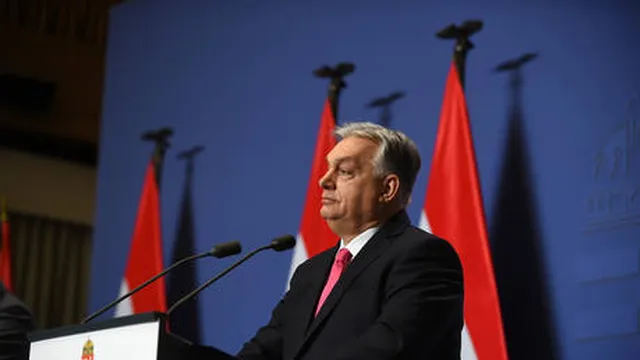
In early February 2026, NATO Secretary-General Mark Rutte visited Kyiv to reaffirm support for Ukraine amidst the ongoing conflict with Russia. Rutte's commitment included discussions around potential troop deployments on Ukrainian soil, a move that has raised concerns among certain NATO member states. Notably, Hungarian officials accused Rutte of overstepping his authority, arguing that his pro-war statements could incite a more direct military clash with Russia. Hungarian Foreign Minister Peter Szijjarto voiced explicit dissatisfaction with Rutte's position, insisting that NATO leaders have previously agreed to avoid provoking direct conflict. This division within NATO highlights the differing perspectives among member nations regarding their approach to the conflict in Ukraine. Furthermore, Hungary's Prime Minister Viktor Orban described the sanction policies against Russia as harmful, predicting that increased military involvement would put Hungary at greater risk of direct conflict, emphasizing the geographical implications of such decisions. Concurrently, Slovakia's Prime Minister Robert Fico criticized the EU's sanctions against Russia, asserting that they damage the Union’s own economy and do not yield benefits for the member states. Fico has consistently opposed supplying arms to Ukraine and is advocating for a re-evaluation of EU foreign policy strategies, urging leaders to focus on resolving internal issues rather than imposing additional sanctions. This combination of regional political tensions and debates around military and economic strategy suggests a significant discord within both NATO and the EU over their future relations and actions concerning the conflict in Ukraine. The underlying implications are profound, as decisions made in the coming months could redefine the geopolitical landscape and impact the very framework of military alliances in Europe.


