

Twelve nations condemn Iran's attacks on civilians amid regional tensions
Twelve nations condemn Iran's attacks on civilians amid regional tensions
- Twelve Arab and Islamic nations condemned Iran's missile and drone strikes on civilian sites, stressing the need for a halt to hostilities.
- The countries asserted their right to self-defense and called for respect of territorial sovereignty amid rising regional tensions.
- This united front emphasizes a collective commitment to security and stability in response to Iran's actions.
Story
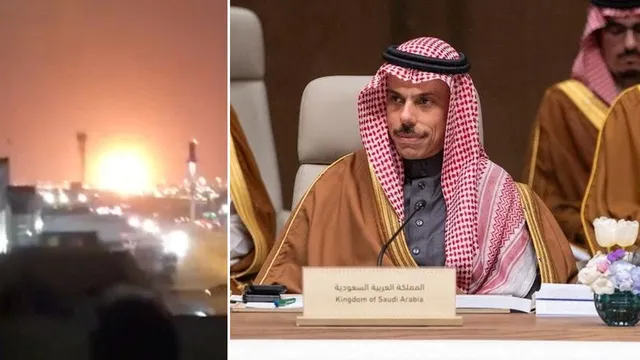
Iran recently engaged in missile and drone attacks targeting civilian infrastructure in several Arab nations, prompting a united response from twelve countries in the region. This joint condemnation came during a consultative meeting held in Riyadh, where foreign ministers from Qatar, Azerbaijan, Bahrain, Egypt, Jordan, Kuwait, Lebanon, Pakistan, Saudi Arabia, Syria, Turkey, and the United Arab Emirates expressed their alarm over the escalation of hostilities. They accused Iran of deliberately striking residential areas, oil facilities, and diplomatic premises, thereby violating international norms. The group reaffirmed their right to defend themselves as stipulated under Article 51 of the United Nations Charter. In the aftermath of these attacks, regional tensions escalated rapidly, with concerns mounting over potential destabilization in the Gulf region. The foreign ministers criticized Iran for its continued support of affiliated militias operating within Arab states, further complicating the situation. They urged Tehran to cease these attacks and respect the sovereignty of neighboring countries. Moreover, shipping routes such as the Strait of Hormuz and Bab al-Mandab were highlighted as critical areas at risk due to Iranian actions, which are seen as posing threats to global maritime security. The urgency of the situation was underscored by the rising oil prices in response to the strikes. These developments follow a recent Israeli military strike on Iran's South Pars gas field that reportedly provoked Iranian retaliatory attacks on various energy infrastructures in Qatar and Saudi Arabia. This included significant facilities such as Doha’s Ras Laffan Industrial City, the world’s largest LNG production site. As a direct result of the hostilities, oil prices surged, reaching dangerous highs that rekindled fears of disruptions in global supply chains. The global economic ramifications of such conflicts are closely monitored by nations worldwide, as energy security is a crucial priority for many. In parallel to the actions of the twelve Arab and Islamic countries, leaders from the UK, France, Germany, Italy, the Netherlands, and Japan expressed their deep concern over the escalating conflict through a joint statement. They condemned Iran’s aggressive tactics, particularly in attacking commercial vessels and threatening the stability of the Strait of Hormuz, which is vital for global shipping. The UK’s Defence Secretary pledged to enhance support for Gulf states in light of these threats, indicating an international commitment to maintaining stability in the region. The situation remains fluid, requiring ongoing consultations and collaborative strategies to address the challenges posed by Iranian aggression.


