
military conflicts
uplifting
impactful

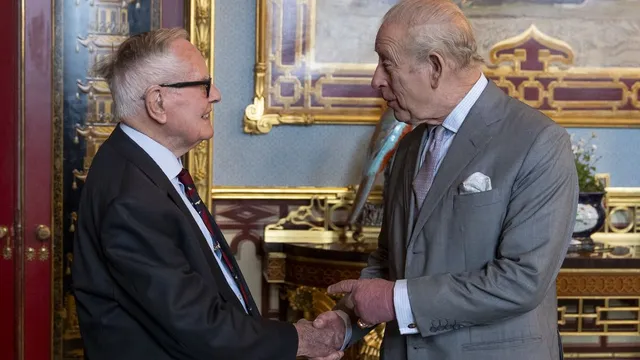
King Charles III honors last surviving Mosquito bomber pilot Colin Bell

Mar 11, 2026, 4:22 PM10
(Update: Mar 11, 2026, 4:22 PM)
badminton player
English singer and songwriter

King Charles III honors last surviving Mosquito bomber pilot Colin Bell

  • Colin Bell, a 105-year-old World War II veteran, was welcomed by King Charles III at Buckingham Palace.
  • During the audience, Bell presented the King with his memoir detailing his experiences flying the de Havilland Mosquito.
  • This meeting reaffirms the importance of recognizing and honoring the sacrifices made by veterans.
Share opinion
Tip: Add insight, not just a reaction
1

Story

On March 8, 2026, in Buckingham Palace, King Charles III welcomed 105-year-old Flight Lieutenant Colin Bell, a distinguished World War II veteran and the last surviving Mosquito bomber pilot. The meeting took place in the Chinese Drawing Room, where Bell presented the King with a copy of his memoir titled 'Bloody Dangerous', detailing his experiences during the war. This encounter was significant as it marked a recognition of Bell's bravery during over 50 raids, including 13 missions over Berlin. He had faced numerous challenges, including being pursued by enemy fighters and sustaining damage to his aircraft. During the audience, which was characterized by warm conversation, King Charles awarded Colin Bell with the citation for his Distinguished Flying Cross, initially granted by King George VI in 1945. The Distinguished Flying Cross is a prestigious military honor awarded to RAF personnel for acts of valor and courage in the face of enemy action. This reinforces the importance of acknowledging the sacrifices made by veterans and the valor demonstrated by service members throughout history. Colin Bell's memoir recounts several harrowing experiences during his time with the Royal Air Force's 608 Squadron within the Light Night Striking Force. Not only did his missions involve being targeted by advanced German jet fighters, but they also included perilous situations such as engine failures, fuel shortages, and near-miss explosions that impacted his safety and that of his crew. Bell's engaging personal narrative, while clearly recounting the dangers faced during aerial warfare, also serves to preserve the human stories behind historical events. This royal engagement highlights the ongoing effort to honor and remember the contributions of veterans, especially those like Flight Lieutenant Colin Bell, who have witnessed and participated in crucial chapters of military history. It stands as a reminder of the sacrifices and experiences of previous generations and serves as an important legacy for current and future generations, fostering a deeper understanding of military history and appreciation for those who served.

Context

The Distinguished Flying Cross (DFC) is a prestigious military decoration awarded to members of the armed forces for heroism or extraordinary achievement in aerial flight. Established by an act of Congress in 1926, the DFC recognizes those who distinguish themselves in combat, showcasing remarkable bravery and skill while flying. It serves not only as a testament to individual valor but also highlights the importance of air operations in modern warfare. The medal is often awarded to pilots, but ground crew and support personnel who contribute significantly to aerial missions may also be eligible for this honor. The DFC has been awarded in various conflicts, including World War II, the Vietnam War, and more recent operations in Iraq and Afghanistan, signifying its enduring relevance and esteem within military culture. The design of the DFC features a bronze or silver star, which is affixed to the medal's ribbon. The star symbolizes the courage and gallantry exhibited by the recipient, while the overall appearance of the medal reflects the traditions and honors of military service. The DFC can be awarded for both meritorious service and acts of heroism, making it a versatile and highly respected award. Its five-pointed star design emphasizes the significance of flight in warfare, echoing the responsibilities that come with operating aircraft. In fact, the DFC holds considerable weight in the military hierarchy, often influencing promotions, career advancements, and recognition amongst peers. Receiving the DFC is a matter of great pride and achievement, not only for service members but also for their families and communities who recognize the sacrifices made in service to their country. The medal serves as inspiration for future generations of aviators and military personnel, reinforcing the values of courage, determination, and dedication. The records of DFC recipients are meticulously maintained, creating a legacy that ensures their contributions are recognized and remembered. Such honors encourage a culture of excellence and exemplary service, motivating both current and aspiring military aviators to demonstrate the persistence and bravery necessary to honor such a distinguished accolade. In conclusion, the Distinguished Flying Cross remains a significant symbol of valor and exceptional accomplishments in aerial operations. Through its rigorous criteria for recognition, it highlights the vital role that air power plays in contemporary conflicts and serves as a benchmark for leadership and performance within the military. As aviation technology advances and warfare evolves, the legacy of the DFC will continue to inspire and challenge service members to excel in their duties, embodying the very spirit of courage that the award represents.

2026 All rights reserved
