

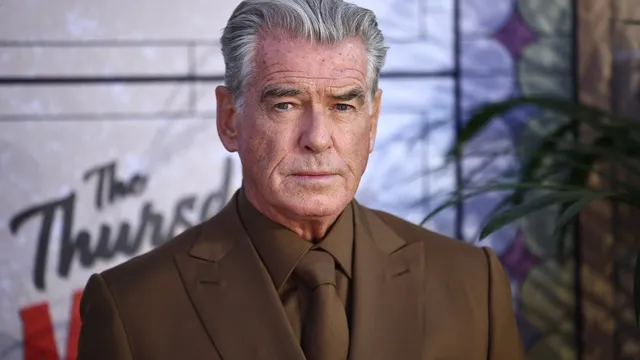
Pierce Brosnan criticizes Netflix's unsettling Warner Bros takeover
Pierce Brosnan criticizes Netflix's unsettling Warner Bros takeover
- Pierce Brosnan highlighted concerns about streaming dominance over cultural representation due to Netflix's proposed acquisition.
- The competitive landscape intensifies with Paramount's higher bid for Warner Bros Discovery.
- The outcome of the acquisition could significantly impact future theatrical releases and audience experiences.
Story
In recent months, the proposed acquisition of Warner Bros Discovery by Netflix has sparked significant concern within the entertainment industry, particularly among actors and filmmakers. Pierce Brosnan, a prominent actor known for his role as James Bond, expressed his unease regarding the potential cultural shift that would result from such a merger. He stated that having a single dominant force control the media landscape feels unsettling and could lead to diminished cinematic releases, as he has observed a decline in theaters in both California and London, where he resides. This sentiment reflects a broader fear among movie theater owners and industry professionals about how the increasingly powerful Netflix might affect theatrical releases. The proposed takeover, valued at approximately $82.7 billion, faces competition from a rival offer made by Paramount, which aims to acquire Warner Bros Discovery for $108.4 billion. As these corporate battles unfold, the future of film distribution remains uncertain. Further concerning for the industry is the continued drop in theater attendance, which saw a significant decline from around 1.2 billion tickets sold in the U.S. and Canada in 2019 to only 441 million in 2021. Efforts to bring audiences back to theaters have included significant upgrades to movie-going experiences, yet the trend towards shorter exclusivity periods for films could further jeopardize cinema attendance. Netflix's stance on theater releases suggests potential changes in how long movies will remain in theaters before transitioning to streaming. Although they maintain that their strategy will honor prior commitments to theatrical releases, insiders worry about the implications of this acquisition for future film releases. As Ted Sarandos, Netflix’s co-CEO, noted, many viewers now find equal enjoyment in watching films on smaller screens, leading to speculation about the diminishing need for traditional cinema experiences. As the entertainment landscape continues to evolve, the outcome of the Netflix-Warner Bros deal will determine not only the competitive dynamics of the industry but also the accessibility and format of media consumption by audiences worldwide. While Brosnan and others express reservations, it is clear that the increasing mergers and acquisitions within Hollywood will shape the future of storytelling and how it reaches viewers, emphasizing the need for vigilance among audiences and professionals alike in a changing cultural landscape.


