

India commissions INS Mahe to enhance naval capabilities
India commissions INS Mahe to enhance naval capabilities
- The INS Mahe was commissioned to undertake coastal patrols and improve maritime security.
- This ship features 80% indigenously produced components, marking a step towards self-reliance in defense.
- The commissioning highlights India's commitment to enhance its naval fleet while promoting local manufacturing.
Story
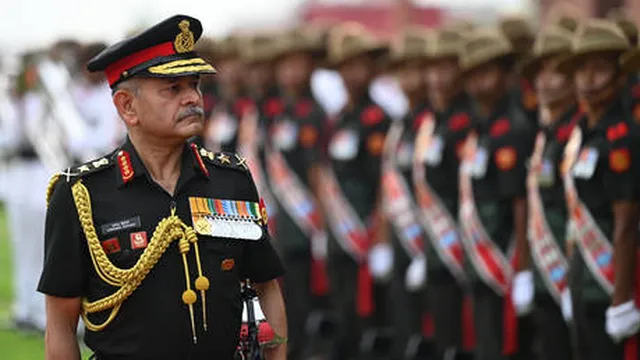
India officially commissioned the INS Mahe, an anti-submarine shallow water ship, on November 24, 2025, in Mumbai. The vessel is designed for coastal patrols, intended to enhance the security of India's territorial waters by detecting and neutralizing underwater threats. Equipped with advanced weapons, sensors, and communication systems, the INS Mahe can effectively sustain operations in shallow waters. The Indian Defense Ministry highlighted that 80% of the ship's components were manufactured domestically, emphasizing the country’s commitment to indigenization under the 'Make in India' initiative. This reflects a significant shift towards self-sufficiency in the defense sector, typically reliant on foreign technology, particularly from Russia, which has been a long-time defense partner since the 1960s. The commissioning ceremony was attended by high-ranking officials, including Chief of Army Staff General Upendra Dwivedi, who noted the pride in the nation's capability to design, construct, and deploy advanced naval technology using indigenous resources. The ship is part of a broader strategy aimed at expanding India's naval fleet to over 200 warships and submarines by 2035, with aspirations to reach 230 by 2037. This initiative encourages collaborations with defense firms from allied countries, boosting local manufacturing and innovation in defense technology. The Indian Navy's efforts to develop the INS Mahe come amid increasing maritime security challenges in the region and highlight the need for a robust national defense strategy. By opting for local production, India not only strengthens its naval capabilities but also seeks to provide jobs and stimulate economic growth within the defense sector. The transition to indigenous technology is further reinforced through partnerships with Indian arms manufacturers as part of Prime Minister Narendra Modi's administration's visionary policies. This advancement in naval capabilities can also be viewed as a strategic response to regional tensions and the necessity for self-reliance in defense production. India's focus on building a more formidable navy aligns with its long-term defense aspirations, ensuring that it can effectively protect its coastlines and enhance maritime security in an ever-evolving global landscape.


