
politics
controversial
provocative

Police end investigation into Bob Vylan's Glastonbury performance chants

Dec 23, 2025, 5:13 PM30
(Update: Dec 23, 2025, 7:09 PM)
combined military forces of Israel

Police end investigation into Bob Vylan's Glastonbury performance chants

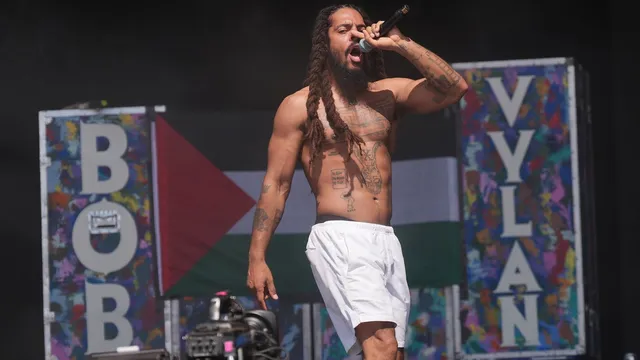
  • Bobby Vylan led chants against the Israel Defense Forces during a performance at Glastonbury in June 2023.
  • Avon and Somerset Police conducted an investigation but concluded there was insufficient evidence to prosecute.
  • No further action will be taken against the rapper, highlighting the complexities of balancing free speech and public sentiment.
Share opinion
Tip: Add insight, not just a reaction
3

Story

In June 2023, Bobby Vylan, a rapper from the British punk duo Bob Vylan, led crowds in chanting 'death to the IDF' during their performance at the Glastonbury Festival. This incident generated significant public backlash and outcry, prompting Avon and Somerset Police to launch a criminal investigation shortly after the performance took place. A senior detective was appointed to lead this investigation, which entailed reviewing evidence, conducting a voluntary police interview with a man in his mid-30s, and speaking with around 200 members of the public regarding their awareness or experiences related to the incident. Public outrage centered around the chanting, with statements from notable figures expressing condemnation, including the Prime Minister, who labeled the comments 'appalling.' In response to the controversy, Bob Vylan defended their actions, emphasizing that they do not support violence against any group, including Jews or Arabs. Following an extensive investigative process, Avon and Somerset Police stated that they had reviewed all evidence, including the intent behind the words and the impact of such speech within the context of freedom of expression. On December 19, 2023, the police announced that they would take no further action due to the findings indicating that the incident did not meet the criminal threshold set by the Crown Prosecution Service. The police's decision to close the investigation was also echoed by the Metropolitan Police, which had been looking into a similar incident during a London performance. The controversy surrounding Bob Vylan's performance not only led to open discussions about freedom of speech and hate speech but also resulted in the band being dropped from several music festivals and experiencing visa issues affecting their international tour plans.

Context

The debate surrounding freedom of speech versus hate speech within UK law is a significant and multifaceted issue. Freedom of speech is protected under the Human Rights Act 1998, which incorporates the European Convention on Human Rights into UK law. Article 10 of the Convention guarantees the right to hold opinions, to receive and impart information and ideas without interference by public authority. However, this right is not absolute; it is subject to certain restrictions that aim to safeguard public order, health, morals, and the rights and freedoms of others. This framework allows the UK to balance the importance of free expression with the need to protect individuals and groups from harmful speech that may incite violence or hatred. Hate speech is defined broadly in the UK context to include speech that incites violence or prejudicial treatment against particular groups based on race, religion, sexual orientation, or disability. The Public Order Act 1986 outlines specific offenses related to hate speech, including the use of threatening, abusive, or insulting words or behavior intended to stir up racial hatred. Furthermore, the Criminal Justice and Public Order Act 1994 expands the definition and penalties for speech that incites hatred based on sexual orientation and religion. The UK courts have been tasked with interpreting these laws through various cases, determining when speech crosses the line from protected expression to punishable hate speech. One of the ongoing challenges in this legal landscape is establishing a clear boundary between free speech and hate speech. Advocacy for freedom of expression often emphasizes the importance of open discourse in a democratic society, asserting that even controversial or offensive ideas should be freely expressed to foster debate and understanding. On the other hand, opponents of unrestricted free speech argue that such freedom can lead to significant harm, particularly for marginalized communities who may face systemic discrimination and violence as a result of hateful rhetoric. This complicated dynamic necessitates a nuanced approach, recognizing that unrestricted speech can have real consequences while also safeguarding the cornerstone of democratic dialogue. In recent years, the proliferation of social media has further complicated these issues, prompting discussions about the responsibility of digital platforms in moderating content that may constitute hate speech. The UK government has proposed legislation aimed at regulating online hate speech more effectively, seeking to balance the protection of diverse communities against the rights of individuals to express their views online. Ultimately, the ongoing conversation around freedom of speech versus hate speech in the UK reflects broader societal values and priorities, as stakeholders seek to navigate the intricate relationship between individual rights and communal safety.

2026 All rights reserved
