

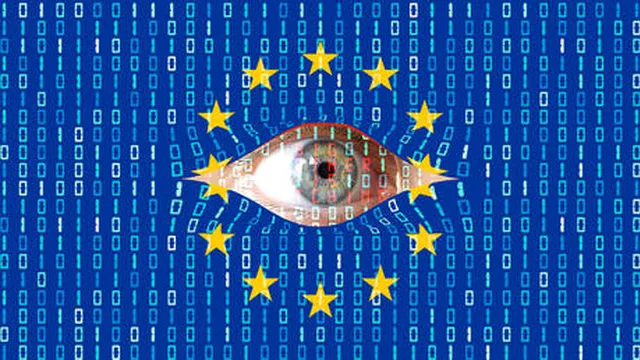
US accuses EU of infringing free speech rights
US accuses EU of infringing free speech rights
- The US House Judiciary Committee accused the EU of censoring political speech over the last decade.
- The European Commission's actions included pressuring tech platforms to remove content deemed problematic, especially during the COVID-19 pandemic.
- Critics argue that the EU's plan to simplify rulemaking processes undermines democracy and citizen participation.
Story
In recent months, the European Union has faced criticism from the Republican US House Judiciary Committee for alleged censorship of political speech. The committee claimed that the European Commission engaged in a campaign for over a decade aimed at stifling online political discourse, targeting content considered 'disinformation'. This campaign allegedly involved pressure on major social media platforms to censor content deemed 'hateful' or politically problematic, which often included populist rhetoric and anti-government sentiments. The controversy escalated during the COVID-19 pandemic when EU officials pressured tech companies to remove content skeptical of vaccines and lockdown measures. Documents revealed directives from the European Commission urging platforms to demote such content under the guise of preventing misinformation. Major tech platforms like TikTok were implicated in these efforts, with their terms of service amended to include broad definitions of disinformation. Many forms of speech categorized under this censorship are constitutionally protected in the United States, further complicating the issue. In addition to claims of free speech infringements, the European Commission has also been criticized for attempting to simplify its rulemaking process. By loosening its internal guidelines, the Commission aims to respond more swiftly to geopolitical shifts but risks reducing public accountability. Numerous civil society and industry groups have warned that such moves could lead to opaque decision-making and inadequate assessment of the impact of new laws. Concerns have been raised that this deregulatory agenda may facilitate undue influence by powerful corporations at the expense of citizens’ rights to participate in lawmaking. Critics, including NGOs and industry representatives, have emphasized that maintaining rigorous impact assessments is essential for understanding how new legislation affects social, economic, and environmental factors. The ongoing changes have sparked a sense of urgency among groups advocating for transparency and deliberative processes in EU governance. As the tension between governmental authority and free expression persists, the ramifications of these actions continue to unfold across Europe and beyond.
Context
The Digital Services Act (DSA), enacted by the European Union, represents a significant legislative effort aimed at regulating digital platforms and enhancing user protection online. Its implications for free speech are profound, as it seeks to balance the responsibilities of tech companies in moderating content while ensuring that users maintain their right to express themselves freely. The DSA establishes comprehensive rules for a wide range of digital services, from social media platforms to online marketplaces, mandating transparency in content moderation practices and algorithmic operations. This regulatory framework raises crucial discussions around the extent to which platforms can dictate the boundaries of acceptable speech, the role of government in censorship, and the potential for overreach in enforcement practices. One key component of the DSA is its requirement for platforms to deploy robust moderation systems that can effectively manage illegal content and disinformation without stifling legitimate discourse. This necessity places digital service providers in a challenging position where they must discern harmful content while safeguarding users’ rights. The act encourages the development of transparent mechanisms for users to appeal content removals, thus fostering a degree of accountability that could mitigate arbitrary censorship. However, the inherent risks associated with such regulations lie in the potential for misinterpretation of rules, leading to excessive suppression of speech, particularly from marginalized groups or fringe viewpoints that may be deemed controversial. Moreover, the DSA emphasizes the need for platforms to engage in meaningful dialogue with users and civil society organizations, thereby acknowledging the diverse perspectives surrounding free speech. Collaborating with stakeholders is pivotal in shaping a balanced approach that respects both freedom of expression and the necessity of online safety. The DSA’s impact will largely depend on how effectively it is implemented and enforced, particularly the extent to which it allows for open debate without compromising the integrity of online spaces. If executed thoughtfully, the DSA can bolster an environment where free speech flourishes alongside responsible content management. As the DSA continues to evolve, its implications for public discourse and social interaction will become clearer, revealing the nuanced relationships between digital regulation and personal liberties. Future assessments must take into account the feedback from users and stakeholders as well as ongoing developments in the digital landscape. Ultimately, the success of the Digital Services Act in preserving free speech while protecting users hinges on collaborative efforts among regulators, platforms, and civil society to navigate these critical and often contentious tensions.


