

military conflicts
controversial
subjective
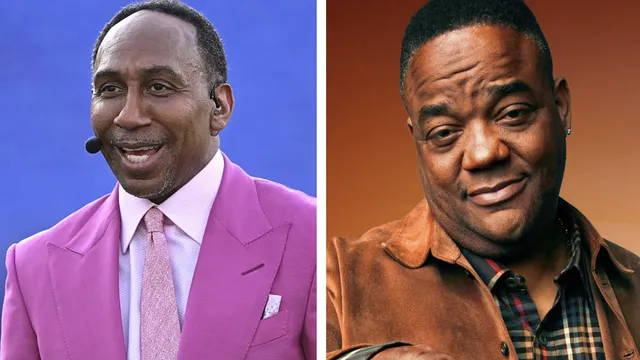
Jason Whitlock calls out Stephen A. Smith's contradictions about his father
Nov 24, 2025, 8:05 PM10
(Update: Nov 24, 2025, 8:05 PM)
military conflicts
controversial
subjective
Jason Whitlock calls out Stephen A. Smith's contradictions about his father
- Jason Whitlock criticized Stephen A. Smith's portrayal of his father during a discussion on a podcast.
- Whitlock highlighted discrepancies between Smith's past comments and his recent memoir.
- The exchange emphasizes the challenges public figures face in balancing personal narratives with media scrutiny.
Insights
News 1 1
Related reports
Opinions
Story
“
insight data shift analysis economic trends market market analysis geopolitical policy insight analysis market insight global analysis policy economic global trends market strategic geopolitical economic strategic insight geopolitical strategic impact geopolitical global impact insight analysis market market economic shift trends impact trends impact trends global policy geopolitical data analysis geopolitical policy geopolitical market strategic geopolitical analysis market economic impact impact geopolitical impact policy trends market market insight policy analysis economic market data policy policy trends market geopolitical global insight economic...
2026 All rights reserved



2026 All rights reserved