

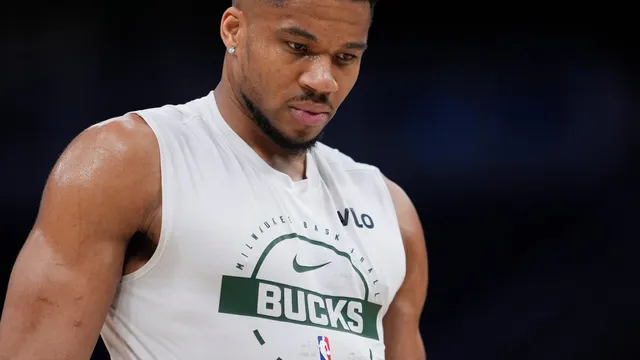
Giannis Antetokounmpo faces criticism for gambling site partnership
Giannis Antetokounmpo faces criticism for gambling site partnership
- Giannis Antetokounmpo announced he is a shareholder in Kalshi, a prediction market.
- Fans expressed concern over potential conflicts of interest and ethical implications of his involvement.
- The backlash highlights the need for regulations in sports betting and predictions markets.
Story
In the United States, Milwaukee Bucks superstar Giannis Antetokounmpo has recently come under scrutiny following his announcement of becoming a shareholder in Kalshi, a prediction market platform. This development occurred just days before the NBA trade deadline, heightening speculation and concern among fans and analysts. His involvement with Kalshi has sparked backlash particularly within the basketball community, where many are questioning the ethics of a professional athlete participating in a gambling-related enterprise. The news surfaced on social media after Antetokounmpo made his announcement public, stating, "I decided it was time to make some of my own" regarding opinions on the platform. This has led numerous fans to voice their discontent, citing potential conflicts of interest that could arise from player involvement with a company that allows betting on events that could directly affect their careers, such as trades. Critics have raised concerns about the implications of such partnerships in an environment where athletes' integrity is paramount. They argue that having a financial stake in a prediction market that can bet on their own likelihood to be traded poses serious conflicts and could undermine the trust between players and fans. Some have gone so far as to call for stricter regulations, arguing that the NBA must take action to address the ethical dilemmas posed by athletes associating with gambling operations. This partnership comes amidst wider discussions around sports betting and its expanding presence in professional sports. The consequences of this growing trend may result in stricter rules as leagues grapple with maintaining a level playing field and ensuring the integrity of their games. As this situation unfolds, the potential for further regulation and oversight is becoming more visible, as stakeholders seek to protect the sport's reputation and the well-being of its fans.
Context
Predictions markets have emerged as significant players in the landscape of gambling ethics in sports, providing innovative platforms for individuals to speculate on various outcomes in sporting events. These markets operate by allowing participants to buy and sell shares in the predicted outcomes, assigning a market-driven value that reflects the probability of those outcomes. Such structures present unique ethical considerations, as they blur the lines between informed speculation and pure gambling. The potential for insider information, manipulation, and the overall integrity of sports events must be critically evaluated. Stakeholders, including regulatory bodies and sports organizations, must navigate these murky waters with a focus on transparency and fairness to ensure that both participants and the integrity of sports are protected. One of the most pressing concerns surrounding prediction markets is the potential for creating unfair advantages through insider information. Players, coaches, or other individuals with privileged access to critical information may be tempted to engage in activities that undermine the marke,t leading to unethical behavior. Regulatory bodies play a crucial role in monitoring these markets to ensure compliance with gambling laws and ethical standards. Furthermore, in an age where information is rapidly disseminated, the distinction between informed betting and insider trading becomes increasingly difficult to maintain. The challenge lies in establishing effective regulations that deter dishonest practices while still fostering innovation in the betting industry. The impact of prediction markets on the integrity of sports betting also raises questions about the ethics of gambling itself. The normalization of gambling in sports contexts shifts societal perceptions, potentially leading to increased gambling behaviors among fans and spectators. This situation invites an ethical inquiry into the responsibilities of sports organizations and the media. They must consider their role in shaping public perceptions of gambling and the subsequent impact on vulnerable populations. As betting becomes more embedded in the sports culture, advocates for ethical gambling practices are calling for educational initiatives to inform fans about responsible gambling and the potential consequences of excessive wagering. Lastly, as prediction markets continue to evolve, ongoing research and dialogue are essential in addressing emerging ethical dilemmas. Stakeholders must engage with scholars, ethicists, and the betting community to explore the implications of their actions on society and the sports they impact. As we advance, it remains crucial to strike a balance between innovation in gambling formats and the maintenance of ethical standards that safeguard the essence of sportsmanship. Only through comprehensive discussions and informed decision-making can we shape a responsible framework for prediction markets that both respects the spirit of sports and supports the welfare of its participants.


