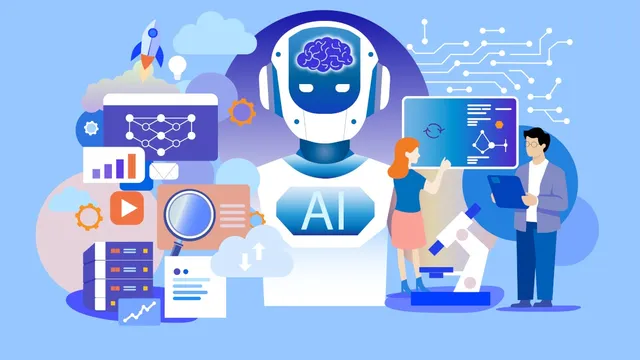
The impact of artificial intelligence (AI) on research and development (R&D) has been profound and transformative, reshaping the landscape of innovation across various sectors. AI technologies, including machine learning, natural language processing, and data analytics, have enabled researchers to process vast amounts of data more efficiently than ever before. This capability not only accelerates the pace of discovery but also enhances the accuracy of research outcomes. By automating routine tasks, AI allows researchers to focus on more complex problems, fostering creativity and innovation in their work. The integration of AI into R&D processes has led to significant advancements in fields such as pharmaceuticals, materials science, and environmental studies, where AI-driven simulations and predictive models are becoming standard practice.
Moreover, AI has facilitated collaboration among researchers by providing tools that enhance communication and data sharing. Platforms powered by AI can analyze research trends, identify potential collaborators, and even suggest relevant literature, thereby streamlining the research process. This interconnectedness is crucial in a globalized research environment, where interdisciplinary approaches are often necessary to tackle complex challenges. The ability to harness AI for collaborative purposes not only accelerates the pace of research but also democratizes access to knowledge, allowing researchers from diverse backgrounds to contribute to and benefit from advancements in their fields.
However, the integration of AI into R&D is not without its challenges. Ethical considerations surrounding data privacy, algorithmic bias, and the potential for job displacement must be addressed to ensure that AI technologies are used responsibly. Researchers and institutions must establish guidelines and frameworks that promote transparency and accountability in AI applications. Additionally, there is a growing need for interdisciplinary education that equips researchers with the skills to effectively utilize AI tools while understanding their limitations and ethical implications. As AI continues to evolve, fostering a culture of responsible innovation will be essential to maximize its benefits while minimizing potential risks.
In conclusion, the impact of AI on research and development is multifaceted, offering unprecedented opportunities for innovation while also presenting significant challenges. As AI technologies advance, they will continue to reshape the R&D landscape, driving efficiency and collaboration while necessitating careful consideration of ethical implications. The future of research will likely be characterized by a symbiotic relationship between human ingenuity and AI capabilities, leading to breakthroughs that were previously unimaginable. Embracing this evolution will be crucial for researchers, institutions, and society as a whole to navigate the complexities of the modern research environment.