

Red Sox acquire Sonny Gray but need more roster improvements
Red Sox acquire Sonny Gray but need more roster improvements
- The Boston Red Sox traded for pitcher Sonny Gray from the St. Louis Cardinals as part of their efforts to strengthen their roster.
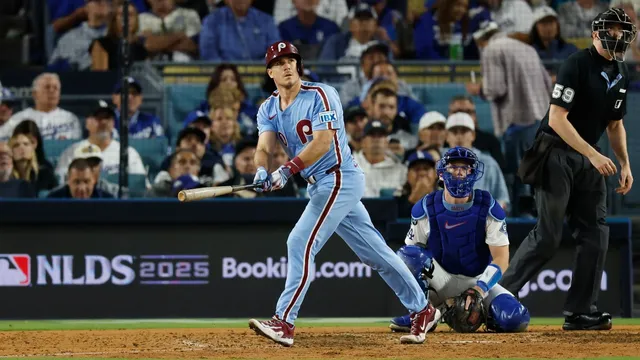
- After acquiring Gray, the Red Sox are also exploring free agent options like J.T. Realmuto and Pete Alonso to fill additional team needs.
- These moves indicate the Red Sox's determination to compete more effectively in the American League East.
Story
In the offseason prior to the 2026 MLB season, the Boston Red Sox took significant steps towards strengthening their roster by trading with the St. Louis Cardinals for pitcher Sonny Gray. This trade marked a crucial move for the Red Sox as they sought to compete more effectively in the American League East, a division they finished third in the previous season. By reinforcing their pitching rotation, the Red Sox aimed to improve their postseason chances after making their first playoff appearance since 2021. Despite this move, the team had several remaining needs, including upgrades at first base and third base. In addition to bolstering the pitching staff, the Red Sox have been linked to several star players in free agency. Reports suggest that they are targeting notable players such as Philadelphia Phillies catcher J.T. Realmuto and New York Mets slugger Pete Alonso. While Realmuto is seen as a talented catcher, analysts have criticized the Red Sox's interest in him given their current roster composition. They argue that signing another catcher is not a priority, especially since the Red Sox have already invested in their existing catchers, Connor Wong and Carlos Narváez. Similarly, the potential acquisition of Pete Alonso, who is projected to command a significant contract of around $182 million, indicates the Red Sox's strategy to pursue high-profile players to enhance their lineup. By making this investment in players, the Red Sox are attempting to narrow the competitive gap with teams like the New York Yankees and Toronto Blue Jays, who are also aiming for success in the upcoming season. The combination of trading for Sonny Gray and the rumored pursuits of Realmuto and Alonso highlights the Red Sox's commitment to building a competitive team. By filling key roster gaps, they aim to position themselves as serious contenders in the AL East. However, addressing multiple positional needs will require careful management of the team's budget and resources, especially as they navigate the complexities of the free agency market.
Context
The Boston Red Sox, a storied franchise in Major League Baseball, is set to undergo significant roster changes leading into the 2026 season. As they navigate free agency and potential trades, the goal is to strengthen their competitiveness within the American League East. The Red Sox have consistently experienced fluctuations in performance, prompting the front office to assess its current roster and make pivotal decisions that align with both short-term success and long-term vision. The 2026 season will represent a critical juncture for the organization as they aim to return to playoff contention and build a foundation for sustainable success. Key areas of focus for the Red Sox include bolstering their pitching staff and enhancing offensive capabilities. The team has faced challenges with injuries and inconsistent performance from key players, leading to a comprehensive evaluation of their rotation and bullpen depth. With the trade market heating up, the Red Sox are reportedly exploring options to acquire reliable starting pitchers and impactful relievers. Additionally, addressing gaps in their lineup, especially in power hitting and defensive reliability, is crucial. The upcoming offseason offers an opportunity to pursue free agents or trade for high-impact players who can make an immediate difference on the field. Another significant aspect of the roster changes will be the integration of young talent cultivated through the organization’s farm system. The Red Sox have been focused on developing prospects capable of easing the transition as veteran players age or depart. Players from their minor league system are anticipated to receive opportunities for substantial playing time in the 2026 season, which could invigorate both the roster and fan base. These prospects provide a dual benefit; they can contribute to the team’s success while also helping to manage payroll flexibility, essential for maintaining a competitive edge in future years. Ultimately, the Boston Red Sox are at a pivotal moment, requiring adept management and strategic foresight. The combination of foreign market assessments, retention of key talents, and youth integration will be vital for the franchise's ambitions. As the 2026 season approaches, the effectiveness of the organization’s decisions during this offseason will be crucial in determining their trajectory in the ever-competitive landscape of Major League Baseball.


