

Police violence leads to chaos and trauma among Minnesota students
Police violence leads to chaos and trauma among Minnesota students
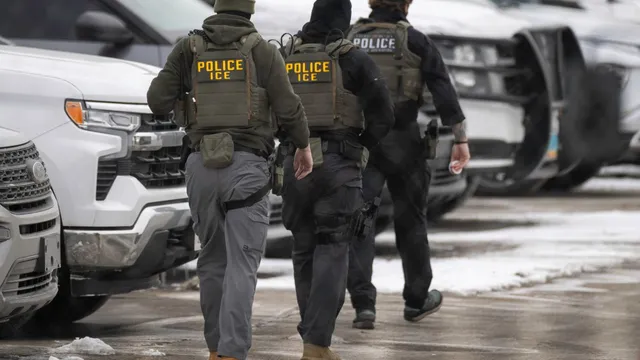
- Significant violence erupted in Minneapolis when immigration agents shot and killed Renee Good on January 7, affecting the local school community.
- Subsequent shooting of Alex Pretti on January 24 further escalated fear among students and disrupted their learning environments.
- As a result of these incidents, many students have moved to virtual learning, highlighting the trauma and chaos they have faced in recent weeks.
Story
In the United States, particularly Minnesota, the past few months have witnessed alarming incidents of violence and instability impacting the community, particularly students in the Minneapolis area. Notably, on January 7, immigration agents shot and killed Renee Good in south Minneapolis. This incident occurred in close proximity to Roosevelt High School during dismissal hours, where agents confronted students and faculty, resulting in chaos as they utilized tear gas and pepper spray against fleeing students and staff. The gravity of this traumatic event has led to numerous discussions on the role schools play in ensuring safety for children. Only a few weeks later, on January 24, another tragic incident took place involving federal agents, resulting in the death of Alex Pretti. This shooting occurred in the Whittier neighborhood of Minneapolis, which had already been shaken by the violence witnessed a few weeks prior. The use of excessive force by authorities in these events has generated widespread fear among students and their families, who rely on schools as sanctuaries for learning and safety. In response to the escalating violence, almost 25 percent of district students, equating to about 9,000 children, have shifted to virtual learning environments. The decision to move to virtual programming was made in direct response to the heightened sense of danger and uncertainty present in physical school settings. Teachers, coaches, and staff are working diligently to support students by nurturing a sense of security and celebrating their achievements despite the chaos surrounding them. This period has also been marked by community resilience, with many Minnesotans stepping up to care for their neighbors during these turbulent times. Donations and support efforts have surged in the wake of these incidents, highlighting the solidarity among those affected. However, the trauma experienced by children during these last ten weeks underscores a critical discussion on the implications of immigration enforcement within educational establishments and the urgent need for protective measures to ensure that schools remain safe havens for learning.


