

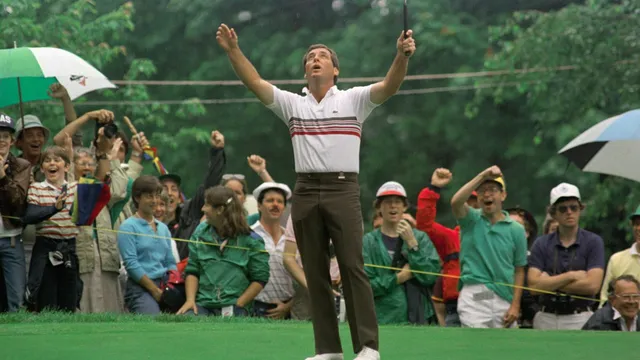
Legendary golfer Fuzzy Zoeller dies at 74
Legendary golfer Fuzzy Zoeller dies at 74
- Fuzzy Zoeller died at the age of 74, with the news confirmed by his daughter.
- He was the last golfer to win the Masters in his first attempt in 1979.
- Despite facing controversy over a racially insensitive joke about Tiger Woods, Zoeller was a beloved figure in golf.
Story
Fuzzy Zoeller, a notable figure in the golf world, passed away at the age of 74. He was known for his gregarious personality and his major achievements, including winning the Masters Tournament in 1979, where he made history by being the last player to win on his first attempt. Zoeller also won the U.S. Open at Winged Foot five years later. Over the years, however, his career was overshadowed by a racially insensitive joke made during a CNN interview in 1997 about Tiger Woods, which he later expressed deep regret for. The fallout from the comments significantly affected his popularity and personal life, leading him to receive death threats for years. Despite his controversial past, Zoeller remained a beloved figure in the sport, remembered for his quick play and friendly demeanor. Throughout his career, his connections with fans and fellow players showcased his legacy, and he will be remembered for both his achievements on the green and the lessons learned from his past mistakes. The news of his passing was confirmed by Brian Naugle, the tournament director of the Insperity Invitational, who received a call from Zoeller's daughter. As a respected golfer, Zoeller's contributions not only include his notable wins but also the way he embraced the challenges of life, using his experiences to advocate for understanding and acceptance. His career spanned many years, starting from junior college golf in Florida to becoming a professional player and a favored participant on tour. The golf community reacted to his death with widespread tributes, acknowledging both his talent and the lessons he imparted through his life. In his later years, Zoeller reflected on his past comments and acknowledged the impact they had on his life, stating that he had cried and apologized numerous times for the insensitive remarks, reiterating that they did not reflect his true character.
Context
Racist jokes in sports have far-reaching implications that extend beyond mere humor to instigate serious social and psychological effects on individuals and communities. The normalization of these jokes within sports culture contributes to a perpetuation of stereotypes that can hurt marginalized groups and influence the way athletes, fans, and society perceive racial issues. In a field that is supposed to promote teamwork and unity, the proliferation of racist humor creates an environment that can alienate players from diverse backgrounds, posing a threat to their mental well-being, self-esteem, and overall performance. Furthermore, athletes often represent not just themselves but their cultures and communities, and racist jokes can undermine the dignity of those they embody, reinforcing a sense of inferiority and exclusion among affected groups. The repercussions of racist jokes extend into broader societal contexts, contributing to the early acceptance of discriminatory attitudes among young fans and aspiring athletes. Humor is often used to trivialize serious topics, which can dilute the gravity of racism and its consequences. When athletes or public figures engage in or tolerate racist humor, it sends a message that such behavior is acceptable, leading to an environment where prejudice is effortlessly integrated into everyday interactions. This cycle can reinforce a culture of silence, preventing individuals from speaking out against racism for fear of exclusion or retaliation, thereby stifling necessary discourse on race in sports and society at large. Moreover, the commercial nature of sports magnifies the effects of racist jokes. The entertainment industry thrives on humor, and when jokes are racially charged, they can reach vast audiences, unintentionally validating harmful stereotypes and judgments. Advertisers and sponsors may inadvertently support or overlook these narratives, prioritizing profit over social responsibility. As a result, this can lead to an erosion of trust between sports organizations and their diverse stakeholders, including fans from varied ethnic backgrounds, athletes, and communities. Recognizing the economic implications of allowing racist humor can catalyze a critical reevaluation of the language and behaviors tolerated in sports environments. In combating the impact of racist jokes in sports, it is crucial to foster an environment of inclusion and respect. Educational initiatives aimed at athletes, coaches, and fans regarding the significance of race and the impact of language in perpetuating stereotypes are essential. Activism from within the sports community, through both collective and individual actions, can challenge racist humor and advocate for a culture of accountability. Promoting diverse narratives and representations in sports media can further normalize respectful discourse around race, allowing for the creation of a more equitable sports environment. Only through conscious effort can the sports industry hope to mitigate the lasting impact of racist jokes and contribute to dismantling ingrained racist attitudes.


