

Marjorie Taylor Greene backs tax revolt amid government neglect
Marjorie Taylor Greene backs tax revolt amid government neglect
- A nationwide tax strike rally is set for January 3, 2026, with calls for participants to voice opposition to government spending.
- Marjorie Taylor Greene endorses the strike, highlighting frustrations with living costs and government spending priorities.
- The outcome may influence governmental responses regarding fiscal management and taxpayer relations.
Story
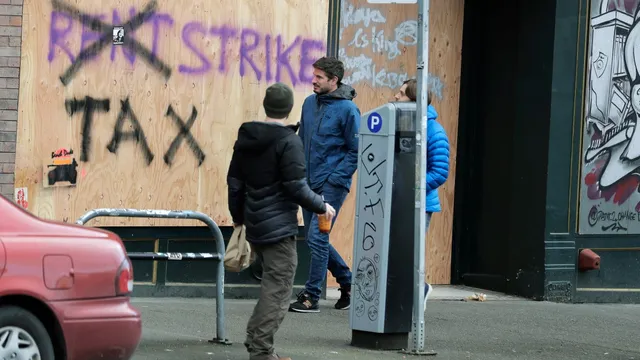
In the United States, a tax strike rally is scheduled for January 3, 2026, with events organized in various states. The protests are characterized by participants expressing their discontent regarding government spending practices, claiming issues of fraud, waste, and lack of transparency. The call to action has gained traction across social media, promoting participation as a means to demand accountability from elected officials. Key figures supporting the protest include Scott Keyser, mayor of Molalla, Oregon, who advocates for fiscal responsibility. These demonstrations aim to encourage taxpayers to protest against what they perceive as misallocation of public funds and to challenge the status quo surrounding federal financial practices. Marjorie Taylor Greene, a representative from Georgia, has voiced her endorsement of the tax revolt, aligning herself with the frustrations of constituents feeling overwhelmed by soaring debts, increasing living costs, and ongoing foreign aid expenses. She believes that these issues reflect broader concerns about government priorities and the welfare of American citizens. Greene's engagement is indicative of a growing movement among those dissatisfied with the current government policies, particularly among supporters of the former President Donald Trump. Her advocacy emphasizes a collective dissatisfaction with both domestic policies and broader budgetary decisions that aim to fund international aid and military engagements. Social media campaigns promoting the rallies suggest a structured plan aimed not only at raising awareness but also at mobilizing a significant number of citizens to take action. Historical references to prior tax resistance movements highlight the potential impact that mass participation could have on government operations. However, the outcome remains uncertain, particularly regarding taxpayer compliance with federal tax laws. If participation reaches anticipated levels, protesters could leverage their collective voice to negotiate changes or push for reforms in government accountability. As the date approaches, public interest in the rallies continues to grow, with participant numbers and the potential fallout from any large-scale resistance to tax payments remaining a subject of speculation. The ongoing dialogue around these protests underlines an evolving landscape in American politics, where dissent against fiscal management practices is finding resonance among grassroots activists and established political figures alike.


