

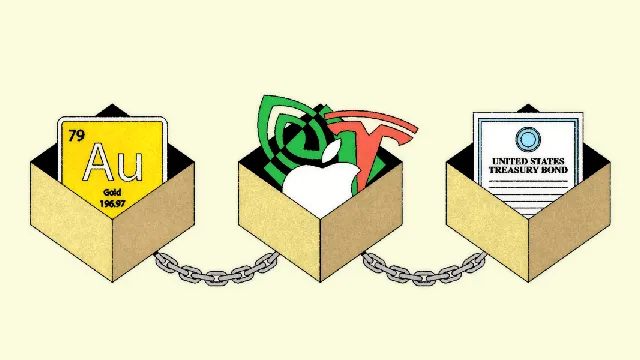
Major banks embrace blockchain to transform trading on Wall Street
Major banks embrace blockchain to transform trading on Wall Street
- The financial industry is moving towards blockchain technology for instant trading.
- Tokenization is changing how stocks and assets are managed and traded.
- While offering many advantages, tokenization raises concerns about trust and regulatory measures.
Story
In recent months, the financial sector has been undergoing significant transformations as major institutions explore blockchain technology for stock trading. The trend, known as tokenization, involves converting traditional stocks into digital assets to facilitate instantaneous trading and settlement. Backed by giants like J.P. Morgan and BlackRock, this movement is gaining momentum, reshaping the operations of financial markets. Notably, startups such as Superstate are developing blockchain-based systems where firms can manage their stock without intermediaries. Historically, Wall Street relied on cumbersome systems for tracking stock ownership, limiting the speed of trades and tying up capital awaiting settlement. For decades, the Depository Trust & Clearing Corporation (DTCC) was the central figure in this process, managing trades between brokerages and ensuring transactions settled the next business day. However, with the rise of tokenization, both traditional banks and upstart tech companies are keen to disrupt this model, providing faster and more efficient alternatives. Beyond the U.S., the adoption of tokenized assets is already taking shape in markets like Brazil and South Africa. Traders in these regions face high commissions, often exceeding 10%, which are being mitigated through the use of tokenized stocks. For instance, Robinhood has begun distributing tokenized shares of private entities such as OpenAI and SpaceX to its European customers, showcasing the appeal of this new trading paradigm. Tokens not only improve liquidity for traders but also facilitate the movement of assets across different brokerages, significantly enhancing operational efficiency. Nevertheless, the rapid shift to tokenization raises concerns about the potential undermining of investor trust in the established U.S. equities market. While tokenization promotes faster trades and liquidity, experts caution that without proper regulatory frameworks and custodial safeguards, the integrity of these new systems might be compromised. The reluctance of traditional firms, such as Goldman Sachs, to adopt blockchain solutions controlled by rival companies underscores the challenges facing widespread acceptance of tokenization in the financial industry. As the push towards blockchain technology continues, only time will tell if the benefits are realized without compromising the foundational trust upon which Wall Street operates.
Context
The impact of tokenization on Wall Street in recent years has been profound, reshaping the dynamics of financial markets and investment strategies. Tokenization, the process of converting rights to an asset into a digital token on a blockchain, has introduced unprecedented levels of liquidity, transparency, and accessibility to various asset classes. As financial institutions adopt this technology, they can offer fractional ownership in traditionally illiquid assets such as real estate, art, and private equity, thus opening up investment opportunities to a broader spectrum of investors, including retail participants who were previously excluded from these markets. This democratization of access not only fosters innovation but also contributes to a more vibrant and diverse investing landscape that aligns with modern consumer expectations for inclusivity and flexibility in investment options. Moreover, the transparency afforded by blockchain technology significantly reduces the risks associated with fraud, manipulation, and counterparty default. Transactions conducted through tokenization are recorded on a public ledger, providing a clear and immutable record that enhances trust among participants in the market. Wall Street firms and startups alike are leveraging these benefits to streamline their processes, reduce settlement times, and lower transaction costs, thus gaining a competitive edge in an increasingly crowded marketplace. This infrastructure also facilitates regulatory compliance, as smart contracts can be programmed to automatically enforce conditions and constraints set forth in legal agreements, minimizing the potential for human error. However, the shift towards tokenization is not without its challenges. Regulatory frameworks are still evolving, and questions regarding the legal status of tokens and their treatment under existing securities laws remain pertinent. Wall Street firms must navigate a complex landscape of compliance requirements and jurisdictions to ensure that their tokenized offerings are legally sound and meet the expectations of regulators and investors alike. Additionally, there are concerns surrounding the security of blockchain networks, the volatility of digital assets, and the potential for market manipulation, which could undermine investor confidence and hinder mainstream adoption. In conclusion, the impact of tokenization on Wall Street represents a significant trend that has the potential to redefine the financial services industry. By enabling greater access, transparency, and efficiency, tokenization is poised to drive innovation and reshape how investors interact with assets of all kinds. As the regulatory environment matures and technological advancements continue, it will be essential for stakeholders in the financial sector to adapt and embrace this transformative phenomenon to remain competitive in a rapidly evolving landscape.


