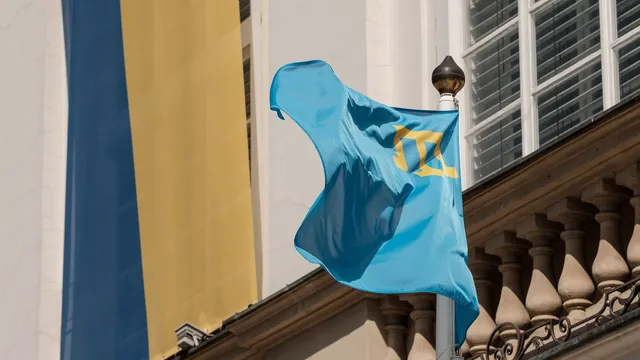
The history of Crimea's occupation by Russia is a complex narrative that intertwines geopolitical interests, historical claims, and international law. Crimea, a peninsula located on the northern coast of the Black Sea, has been a point of contention for centuries, with its strategic location making it a valuable asset for various powers. The region was transferred from Russia to Ukraine in 1954 during the Soviet era, a move that would later become a focal point of conflict following the dissolution of the Soviet Union in 1991. The majority of Crimea's population identifies as ethnically Russian, which has fueled claims of historical ties and cultural connections to Russia, complicating the political landscape in the region.
In February 2014, following Ukraine's Euromaidan protests and the ousting of President Yanukovych, Russia initiated a military intervention in Crimea. This intervention was characterized by the rapid deployment of unmarked troops, often referred to as "little green men," who took control of key sites across the peninsula. The situation escalated quickly, leading to a controversial referendum on March 16, 2014, in which the local government claimed that over 95% of voters supported joining Russia. However, this referendum was widely condemned by the international community as illegitimate, citing violations of Ukrainian law and the absence of proper oversight.
The annexation of Crimea by Russia was met with immediate international backlash, resulting in sanctions imposed by the United States, the European Union, and other nations. These sanctions targeted key sectors of the Russian economy and individuals involved in the annexation process. The United Nations General Assembly passed a resolution affirming Ukraine's territorial integrity and recognizing Crimea as part of Ukraine, further isolating Russia diplomatically. Despite this, Russia has maintained its control over Crimea, integrating the region into its federal structure and investing in infrastructure and military presence, which has raised concerns about human rights violations and the treatment of Crimean Tatars and other minority groups.
The ongoing conflict in eastern Ukraine, coupled with the geopolitical tensions between Russia and the West, has kept Crimea at the forefront of international discourse. The situation remains fluid, with Russia asserting its claims while Ukraine and its allies continue to seek diplomatic and legal avenues to restore Ukrainian sovereignty over the peninsula. The history of Crimea's occupation by Russia serves as a stark reminder of the complexities of national identity, territorial integrity, and the challenges of international law in the face of aggressive state actions.