

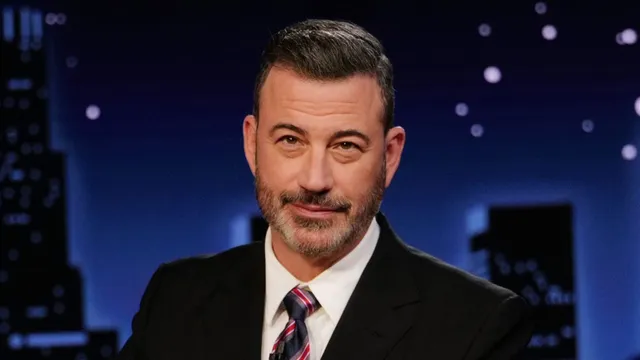
Melania Trump demands ABC take action against Jimmy Kimmel's widow joke
Melania Trump demands ABC take action against Jimmy Kimmel's widow joke
- Jimmy Kimmel made a controversial joke about Melania Trump, referring to her as an 'expectant widow'.
- Melania Trump criticized Kimmel and urged ABC to take immediate action against him.
- The incident has intensified national discussions on the impact of humor in a politically fraught environment.
Story
In the United States, Melania Trump has publicly condemned comedian Jimmy Kimmel following a joke he made during a parody segment for the White House Correspondents' Dinner. Kimmel referred to her as having 'the glow of an expectant widow,' a remark which aired just two days before an incident where a gunman attempted to storm the dinner event where she was present with her husband, President Donald Trump. The attempt was thwarted by security personnel, but it left a lasting impression on the attendees, particularly the first lady, who described the experience as traumatic. In the aftermath of Kimmel’s joke and subsequent events, Melania Trump took to social media to call out the comedian's words as 'hateful and violent.' She criticized not only Kimmel but also urged the ABC network to take a stand against such remarks, suggesting they enable divisive behavior that contributes to an ever-growing political polarization within the country. This marks another episode in a long-standing tension between the late-night host's comedic style and the Trumps, who have often faced pointed commentary from Kimmel. President Trump also weighed in, expressing his discontent over Kimmel's comments and demanding that the network terminate his employment. The couple's reaction is underscored by their heightened concern over safety, particularly in light of the recent armed incident, which was aimed at Trump administration officials. The National Religious Broadcasters group has called upon the Federal Communications Commission to investigate Kimmel’s joke, citing it as promoting a culture of violence amid political discourse. Kimmel defended himself, describing his comment as a light-hearted joke rather than a call to violence and stating that he has frequently spoken against issues like gun violence. He responded to the backlash by attributing Melania Trump’s demands to a 'Twitter vomit storm.' Despite his defenses, the call for his firing reflects a deeper question of the responsibilities of media figures and comedians in a politically charged environment, especially in the wake of violence that has struck at political gatherings.
Context
The impact of comedy on political discourse in America has been a growing area of interest for both scholars and the public alike. Comedy, particularly through mediums like stand-up, television shows, and social media, has increasingly become a platform for political commentary. Comedians have a unique ability to distill complex political issues into relatable narratives, making them more accessible to the general populace. This comedic framing not only entertains but also informs, offering audiences a means to engage with political content that might otherwise seem daunting or unapproachable. By using humor to highlight societal flaws and political absurdities, comedians can encourage critical thinking and discussion among their audiences, ultimately shaping public opinion and political engagement. Furthermore, comedy can serve as a powerful tool for mobilization, encouraging viewers to participate in political processes such as voting or activism through satirical elements that resonate emotionally with them. Comedy’s influence on political discourse is particularly evident in its role in the media landscape. Late-night talk shows and satirical news programs like "The Daily Show" and "Saturday Night Live" have garnered significant viewership, often acting as a primary news source for younger audiences. Such platforms leverage humor to dissect political events, giving rise to new narratives and perspectives that challenge mainstream media portrayals. The blend of news with comedy not only enhances the entertainment value but also fosters an environment where political conversations can unfold in a less intimidating manner. As a result, these shows often generate social media conversations that amplify political discourse beyond traditional channels. They have the power to frame political dialogue in ways that resonate with audiences, potentially influencing voter behavior and public perception of political figures. In addition to shaping narratives and sparking dialogue, comedy also reflects the socio-political landscape of America. Stand-up comedy routines often mirror the concerns, fears, and hopes of the populace, providing a barometer for societal sentiments. Comedians like John Oliver, Hasan Minhaj, and Samantha Bee tackle pressing issues such as racial inequality, healthcare, and climate change, using satire to critique and analyze the political establishment. In doing so, they not only entertain but also highlight the failures and absurdities of existing political structures, encouraging audiences to question the status quo. The ability to laugh at difficult subjects can also foster a sense of community among listeners, creating shared experiences and promoting collective action toward social change. Furthermore, the relationship between comedy and politics is not without its challenges. The potential for misinformation or oversimplification exists within comedic narratives, as jokes may sometimes reinforce stereotypes or perpetuate divisive views. As comedy continues to play a critical role in political discourse, the responsibility of comedians to balance humor with accuracy becomes vital. Audiences also need to cultivate critical viewing habits, discerning between comedy as a tool for enlightenment and the potential pitfalls of accepting satirical takes as gospel truth. Overall, while comedy serves as a valuable means of engaging with political discourse in America, it is imperative to approach it with both an open mind and a healthy skepticism to ensure that it contributes positively to the democratic process.


