

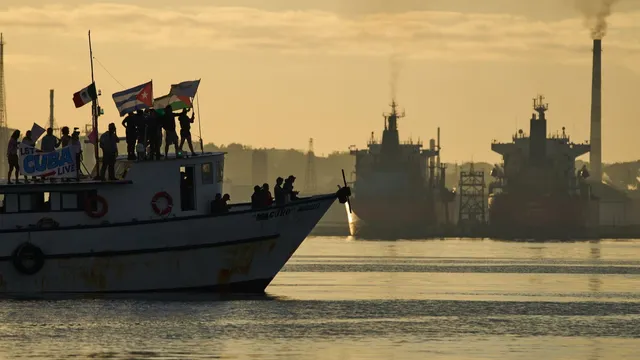
Humanitarian aid convoy arrives in Cuba during energy crisis
Humanitarian aid convoy arrives in Cuba during energy crisis
- Humanitarian aid is arriving in Cuba amidst a severe energy crisis and rolling blackouts.
- 650 delegates from various countries are part of a solidarity caravan delivering essential supplies.
- The situation highlights the deepening economic crisis and the need for international solidarity.
Story
In light of an ongoing energy crisis, Cuba has recently received a significant influx of humanitarian aid. Some 650 delegates from 33 countries and 120 organizations began arriving in the country to deliver nearly 20 tons of essential supplies, including solar panels, food, and medical resources for treating cancer patients. This solidarity caravan, known as 'Our America Convoy to Cuba,' aims to address the challenges faced by the Cuban people arising from a cruel energy embargo that has crippled the nation and caused severe shortages of everyday necessities. The aid comes at a critical time when Cuba is wrestling with rolling blackouts and economic strain following the recent U.S. trade policies under Donald Trump's administration. The convoy, which started its journey from countries including Italy, Spain, and the United States, aims to not just deliver supplies but also highlight the struggles of the Cuban people and the political tensions between Cuba and the U.S. Activists and leaders emphasized that this representation serves millions around the globe, fostering solidarity in the face of what many view as collective punishment levied upon Cuba. In the backdrop of these developments, many Cuban citizens are suffering due to the power cuts that affect hospitals, homes, and daily life. Pregnant women face particularly arduous circumstances. One woman detailed her struggles in a neonatal ward, highlighting the dire state of healthcare in Cuba, where essential medications are difficult to obtain amid the crisis. The plight of others reflects deep concerns about the future of newborns amid substantial economic and social challenges. Despite the arrival of humanitarian supplies, many feel detached from the assistance, with reports indicating that state support has not reached numerous families in need. Individuals like Indira Martínez have given voice to their fears regarding childbirth in a dismal environment coupled with the broader uncertainties about prospects within Cuba. The discussions surrounding U.S.-Cuba relations have been amplified by incendiary remarks from former President Trump, who hinted at actions against Cuba as part of negotiations tied to political change. However, Cuban officials, including Deputy Foreign Minister Carlos Fernández de Cossío, responded firmly, stating the political system and President Miguel Díaz-Canel's position in Cuba are not up for negotiation. The urgency to engage in dialogue is evident, with proposals for discussions on mutual interests amid the mounting humanitarian crisis. As political leaders and activists urge for understanding and support, they acknowledge past collaborations between Cuba and the U.S. that could pave the way for renewed engagements. With the unwavering humanitarian effort symbolized by this convoy, activists aim to counteract the narrative of isolation surrounding Cuba. They stress the importance of solidarity that transcends local boundaries, illustrating the potential for global cooperation in addressing humanitarian needs. The arrival of these delegates signifies not just a delivery of aid, but a commitment to advocate against blockades imposed on Cuba that deeply affect millions. Overall, the situation in Cuba and the arrival of this humanitarian aid convoy epitomize vital geopolitical currents at play, illustrating how local crises ripple into broader international relations and humanitarian efforts.
Context
The humanitarian aid impact on Cuba in 2026 is a critical topic that encompasses numerous aspects of life on the island, particularly in light of recent events and socioeconomic challenges. In the past few years, Cuba has faced severe limitations in its capacity to produce and supply essential goods, exacerbated by the ongoing effects of natural disasters, a prolonged economic embargo, and the COVID-19 pandemic. As a result, the Cuban government, along with international organizations, has been actively seeking humanitarian assistance to alleviate the dire conditions faced by its citizens. The influx of humanitarian aid in 2026 has the potential to significantly improve the living standards of Cubans and provide support in health, education, and infrastructure development, thus fostering long-term growth and stability. One of the most pressing needs addressed by humanitarian aid has been the healthcare sector. With the challenges posed by the pandemic, Cuba's healthcare infrastructure was overstretched, leading to shortages in medical supplies and medications. Humanitarian organizations have worked closely with local authorities to deliver vital medical assistance, including vaccines, antibiotics, and other essential healthcare products. The availability of this aid has not only improved health outcomes for Cuban citizens but has also helped restore trust and collaboration between international partners and the Cuban government, thus encouraging more sustained efforts to stabilize the healthcare system. In addition to health, humanitarian aid has also targeted education and food security. Food insecurity remains a critical issue, with many families struggling to access basic nutrition due to economic constraints. Aid organizations have implemented food distribution programs and supported local agricultural initiatives to promote sustainable farming practices. Furthermore, educational programs, supported by international NGOs, have focused on enhancing literacy rates and providing children and young adults with tailored educational resources. As a result, the overall quality of education has seen improvement, enabling younger generations in Cuba to acquire the skills necessary for future success. Moreover, the impact of humanitarian aid extends beyond immediate assistance. Strengthening community engagement and fostering local capacities have become essential components of humanitarian initiatives in Cuba. By involving local populations in the planning and implementation of aid programs, organizations have promoted self-sufficiency and resilience among communities. Such initiatives not only address immediate needs but also create a foundation for long-term development, empowering Cubans to navigate future challenges independently. In summary, the humanitarian aid impact on Cuba in 2026 points to significant advancements in health, education, and food security, whilst simultaneously enhancing community resilience and promoting sustainable development.


