
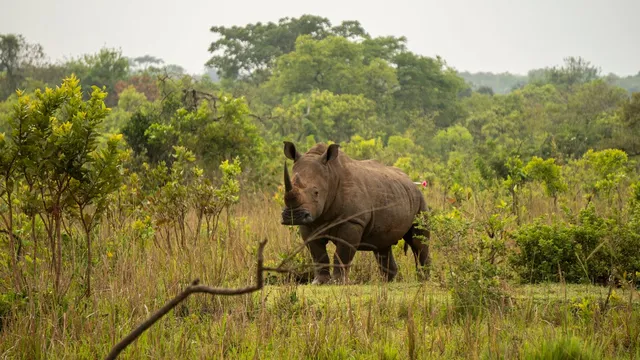
Rhinos return to Uganda after 40 years of absence
- Rhinos were previously extinct in the wild in Uganda due to poaching.
- The Uganda Wildlife Authority facilitated the relocation of two southern white rhinos to Kidepo Valley National Park.
- This initiative marks the restoration of a species that is crucial to the park's ecological heritage.
Story
In Uganda, after an absence of over four decades due to poaching, two southern white rhinos have been reintroduced to Kidepo Valley National Park. This historic relocation marks the beginning of a new chapter in conservation efforts, as the last rhinos in the park were killed in 1983. The Uganda Wildlife Authority (UWA) has been actively involved in this initiative, which aims to restore a population that was once integral to the park's natural heritage. The decision to reintroduce these animals was based on extensive research on habitat suitability and ecological needs. Studies indicated that Kidepo Valley National Park, located in the northeast of Uganda, was an ideal location for the rhinos due to its vast savannah and security measures in place. A secure sanctuary has been established within the park, complete with fencing, access roads, firebreaks, ranger facilities, and monitoring technology to ensure the rhinos are protected. The two rhinos were transported from a privately owned ranch in Nakasongola that has been breeding the species since 2005. The ranch originally imported four southern white rhinos from a Kenyan game reserve, thus beginning its breeding program. This translocation is part of a broader initiative to re-establish a viable rhino population in Uganda, where the species had become extinct in the wild due to rampant poaching for their horns and meat. Despite this positive step, the problem of poaching still looms over Uganda’s wildlife. The UWA has been working tirelessly to combat illegal wildlife trade, which remains profitable due to the demand for rhino horns in traditional medicine and their status symbol appeal in certain Asian countries. The International Union for Conservation of Nature (IUCN) classifies the southern white rhino as "near threatened," and according to a 2020 survey, there are only around 10,000 of these animals left globally. The successful relocation of the rhinos to Kidepo represents both hope and a challenge for wildlife conservation in Uganda.
Context
Conservation efforts for the southern white rhino have become increasingly crucial due to the alarming decline in their population numbers over the past few decades. Historically, the species faced near extinction in the early 20th century, primarily due to poaching and habitat loss. However, through concentrated conservation strategies, including anti-poaching schemes, the establishment of protected areas, and community-based conservation initiatives, the southern white rhino population has shown signs of recovery. Today, the species is primarily found in South Africa, Namibia, Zimbabwe, and Kenya, and its population has increased significantly from just a few hundred individuals to over 18,000 by 2021, demonstrating the potential success of dedicated conservation efforts. The overarching strategy for the conservation of southern white rhinos involves stringent anti-poaching measures, which include increased surveillance, the use of advanced technology such as aerial drones, and collaborations with local law enforcement. Additionally, conservation organizations are working closely with local communities to promote the economic benefits of rhino conservation through eco-tourism and sustainable development. These initiatives help create a buffer against poaching while fostering a sense of ownership and pride in biodiversity among the communities, ultimately leading to greater efforts in protecting rhinos and their habitats. In terms of habitat preservation, efforts have been made to restore and maintain essential ecosystems that support southern white rhino populations. Protected areas, such as national parks and reserves, serve as safe havens for these rhinos to thrive. Regular monitoring and management of these areas are also critical, ensuring that the ecosystems remain healthy and capable of supporting not only the rhinos but also other wildlife species. Collaborations with governmental and non-governmental organizations are essential for ensuring these habitats are effectively managed for the long term, providing a sanctuary from poaching and habitat encroachment. Despite the positive trend in population recovery, challenges remain. The southern white rhino still faces the threat of poaching due to the demand for rhino horn, which can lead to a resurgence in decline if not strategically managed. Furthermore, climate change poses a significant threat to their natural habitats, as shifts in weather patterns can affect the availability of food and water resources. Continued investment in research, community education, and international collaboration will be crucial in ensuring that the progress made in southern white rhino conservation is sustained. By fostering partnerships and raising awareness about the importance of this keystone species, the conservation efforts for the southern white rhino can contribute further to biodiversity and ecological balance.
