

Rory McIlroy faces backlash for skipping Cadillac Championship
Rory McIlroy faces backlash for skipping Cadillac Championship
- Rory McIlroy has opted out of the Cadillac Championship and the RBC Heritage, both signature events.
- Fans and analysts criticize the PGA Tour's congested schedule, which could lead to more players missing events.
- The situation raises questions about the PGA Tour's scheduling strategy and its effects on player participation.
Story
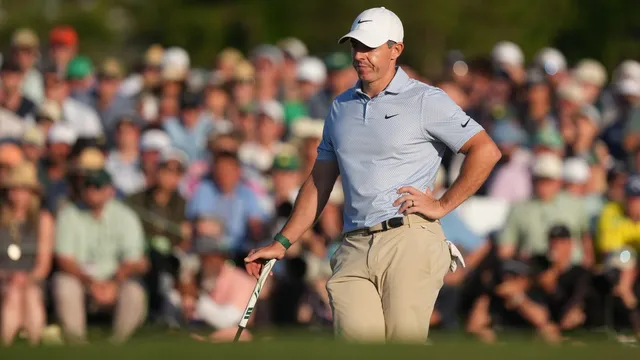
In the United States, Rory McIlroy has decided to miss the inaugural Cadillac Championship, which is part of the PGA Tour's signature events program. This decision follows the star golfer's absence from the RBC Heritage just weeks prior, as he prioritizes preparation for the upcoming PGA Championship. Fans have voiced their disappointment on social media, criticizing the scheduling of three signature events in a four-week span right after the Masters, which encourages players to skip events for rest. The touring schedule has been called into question, with some accusing the PGA Tour of poor planning and a lack of consideration for player participation. Critics highlight that the condensed schedule between the Masters and the PGA Championship was bound to result in top players like McIlroy choosing to sit out these events. Market logic suggests that by grouping signature events closely together, the PGA Tour has put undue pressure on players to avoid physical and mental fatigue leading into major tournaments. While McIlroy had previously advocated for top players to participate in big events, the PGA's intensive schedule has made it impractical for him to play consistently without risking his performance in more significant competitions. After securing his second consecutive Masters victory, McIlroy’s absence from the Cadillac event has raised eyebrows, especially as he was part of pivotal discussions surrounding the establishment of these lucrative events aimed at elevating the tour’s profile amid competition from LIV Golf. His stance on player participation in major tournaments, while previously very vocal, seems to conflict with his recent choices to forgo participation in these significant events. This contradiction has led to a mixed reaction from fans and analysts, who are now questioning the alignment of McIlroy's priorities. As this debate continues, the PGA Tour faces an uphill battle to refine its scheduling to better accommodate player interests and fan expectations. Going forward, the scheduling decisions may require a deeper consideration of the calendar’s impact on player health and the overall excitement for the events, balancing the needs of highly regarded tournaments while ensuring that premier players are present for fans. The discourse surrounding these signature events and the scheduling dilemmas they present is likely to remain a hot topic in the golfing community and beyond as the PGA Tour strives to maintain its relevance.


