

UPS crash raises concerns over aircraft safety inspections
UPS crash raises concerns over aircraft safety inspections
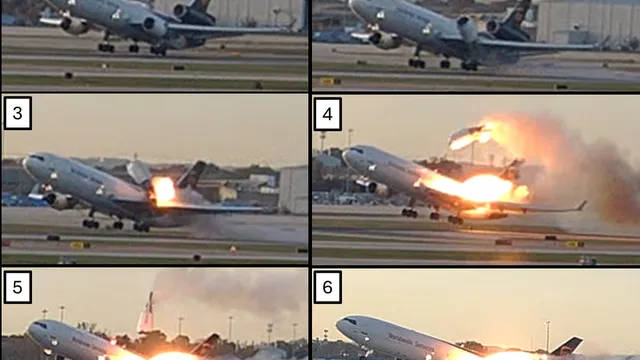
- A UPS MD-11 cargo plane crashed on November 4, 2025, resulting in 14 fatalities and 23 injuries.
- Safety concerns due to aging aircraft and maintenance practices have resurfaced following the incident.
- The investigation has prompted widespread grounding of MD-11 jets by UPS and FedEx, raising concerns over package delivery during the holiday season.
Story
On November 4, 2025, a UPS MD-11 cargo plane tragically crashed in Louisville, Kentucky, resulting in the deaths of 14 individuals, including three crew members, and injuring at least 23 others. The aircraft, which had a storied history and was acquired by UPS in 2006, had been operational for over 92,000 flight hours before the disaster. Ongoing investigations aim to uncover the causes behind the accident, with particular emphasis on the maintenance practices, the aircraft's age, and potential lapses in oversight that may have contributed to this catastrophic event. The crash has reignited long-standing concerns about the safety of aging aircraft within the commercial aviation industry. Experts, including attorney Robert A. Clifford, have pointed to issues relating to maintenance intervals and inspections for older aircraft, arguing that financial pressures might lead to dangerous shortcuts where safety is concerned. The MD-11 involved had undergone extensive maintenance but had also faced prolonged periods of storage, which raises further questions about its readiness for service. Following the crash, UPS took preventive measures, grounding its entire fleet of MD-11s, a decision that was made in the interest of safety amid the ongoing evaluations and inspections. An internal memo indicated that these inspections are expected to take months rather than weeks, and this extended grounding could have significant implications for package delivery during the busy holiday season, stressing UPS's commitment to safety over operational efficiency. As investigations move forward, the National Transportation Safety Board (NTSB) has begun detailed technical assessments that involve reviewing the maintenance and storage history of the aircraft while considering whether age and metal fatigue played critical roles in the crash. The unfolding inquiry is anticipated to shine a light on the systemic issues affecting safety regulations and operational practices in the aviation sector, as both UPS and FedEx airplanes remain under close scrutiny in the wake of the tragedy.
Context
The age of an aircraft plays a significant role in determining its compliance with safety regulations and overall operational safety. As aircraft age, they tend to experience wear and tear, which can affect their structural integrity, systems functionality, and safety performance. Safety regulations are designed to address safety concerns related to older aircraft and ensure that they meet modern safety standards. Regulatory agencies, such as the Federal Aviation Administration (FAA) and the European Union Aviation Safety Agency (EASA), impose stringent maintenance and inspection protocols that become increasingly critical as an aircraft ages. These measures are essential in mitigating risks associated with aging aircraft, including fatigue cracks, corrosion, and outdated technology that may not meet current safety requirements. Moreover, the operational history of aging aircraft contributes to the evaluation of safety regulations. Regulatory assessments often consider the maintenance records and incident histories of aging fleets. Aircraft that have undergone rigorous and regular maintenance demonstrate better safety performance, emphasizing the importance of adherence to maintenance schedules and operating procedures. The implementation of safety management systems (SMS) has reinforced the focus on proactive safety measures, which are paramount for older aircraft that might not feature the modern technologies found in newer models. Regulatory agencies advocate for operators to adopt SMS practices to foster a culture of safety and enhance the reliability of such fleets. In light of technological advancements, there is an ongoing debate within the aviation community regarding the relevance of older aircraft in a rapidly evolving industry. Innovations in materials and systems have led to the development of newer aircraft that are inherently safer and more efficient. Consequently, safety regulations are increasingly geared towards encouraging the retirement of aging aircraft and incentivizing operators to invest in new technologies. This shift not only helps to maintain high safety standards but also supports the sustainability goals of the aviation sector, as newer aircraft tend to be more fuel-efficient and environmentally friendly. In summary, the relationship between aircraft age and safety regulations is complex and multi-faceted. As aircraft age, they pose greater safety challenges that necessitate stringent regulatory oversight and adherence to maintenance protocols. While it is crucial to ensure the safe operation of older aircraft through thorough inspections and safety management systems, the ongoing development of aviation technology pushes the industry towards more sustainable and safer alternatives. Balancing the operational capabilities of aging aircraft with the need for compliance with modern safety standards remains an essential priority for regulatory authorities and the aviation industry at large.


