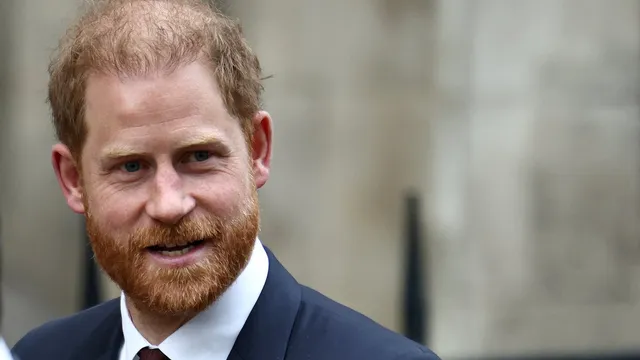
In the United Kingdom, Prince Harry and six other prominent individuals, including Sir Elton John and Sadie Frost, faced a significant legal setback when the High Court ruled against them in their claims against Associated Newspapers Limited (ANL), the publisher of the Daily Mail. The ruling, delivered by Mr. Justice Nicklin, concluded that the claimants failed to provide sufficient evidence to support their allegations of unlawful information gathering, which included serious accusations such as voicemail interception and landline tapping. The judge emphasized that the burden of proof lay with the claimants, and they did not demonstrate that the information was obtained through illegal means.
The trial, which lasted for 11 weeks, saw the Duke of Sussex testify about the personal impact of the alleged intrusions on his life and that of his family. He described how the actions of ANL had caused distress to his wife and recounted specific instances of privacy violations involving his former girlfriend, Chelsy Davy. Other claimants also shared their experiences, detailing how their private information was allegedly obtained unlawfully, including medical records and personal conversations. Despite their testimonies, the judge found that the evidence presented did not substantiate the claims of unlawful behavior by ANL.
Following the judgment, ANL expressed satisfaction with the ruling, describing it as a vindication of their journalistic practices. They stated that the articles in question were sourced legitimately and that the claims made by the group were unfounded. The court's decision also highlighted the importance of the burden of proof in legal cases involving allegations of privacy violations, reinforcing that mere possession of private information does not equate to unlawful acquisition.
The outcome of this case has significant implications for the claimants, who may now face substantial legal costs as ANL intends to seek reimbursement for their expenses incurred during the trial. The ruling has sparked discussions about the balance between press freedom and individual privacy rights, particularly in high-profile cases involving public figures. As the legal landscape continues to evolve, this case serves as a reminder of the complexities involved in navigating privacy laws and the responsibilities of the media.