

Finland prepares underground bunkers for every resident in Helsinki
Finland prepares underground bunkers for every resident in Helsinki
- Helsinki has a network of underground bunkers for emergency situations.
- Finnish authorities encourage residents to maintain three days' worth of emergency supplies.
- The preparedness reflects Finland's recognition of threats from its neighboring country, indicating a state of readiness.
Story
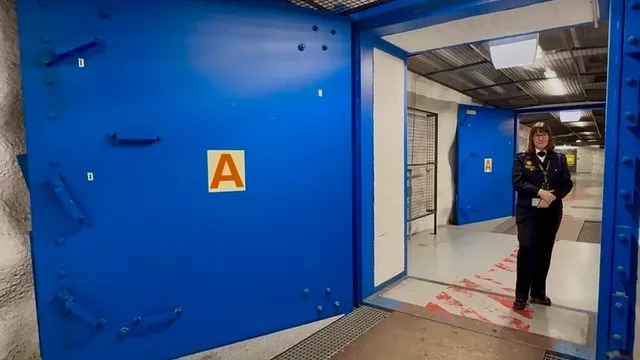
Finland, in light of geopolitical tensions with Russia, has developed an extensive network of underground bunkers designed to protect its population during emergencies. These facilities, such as the Merihaka shelter in central Helsinki, are carved into the bedrock, allowing them to withstand nuclear attacks and heavy shelling. The Merihaka shelter is equipped with decontamination chambers, dry toilets, and even recreational spaces, highlighting a dual-purpose design. With a population of approximately 700,000, Helsinki has created enough shelter space for nearly 950,000 residents, ensuring that citizens can reach safety quickly. The preparedness of the Finnish government stems from a complicated historical relationship with Russia, including a bordered area of 1,343 kilometers. The military strategies have evolved, particularly after noteworthy incidents such as the annexation of Crimea in 2014 and the invasion of Ukraine in 2022, which triggered a renewed emphasis on national defense and comprehensive security measures. Finnish authorities, including Nina Järvenkylä of the Helsinki Rescue Department, emphasize the importance of being ready for potential conflict and have kept a conscription system alongside a reservist army. Residents are advised to have essential supplies ready, including food, water, and medicines, to endure at least three days in case of an emergency. This notion of preparedness has been embraced by many citizens, who are aware of the location of their nearest shelters and maintain the necessary provisions at home. The engagement of the community is crucial in this preparedness strategy, as seen in recreational activities happening in the shelters, where families can gather and stay connected amidst uncertain circumstances. Overall, the Finnish approach to civil defense reflects an understanding of both the historical context and present threats. It acknowledges the significant need for safety in the face of an unpredictable regional climate while offering residents peace of mind through extensive planning and infrastructure. Additionally, the focus on civilian involvement in emergency preparedness indicates a proactive stance against possible future threats.


