

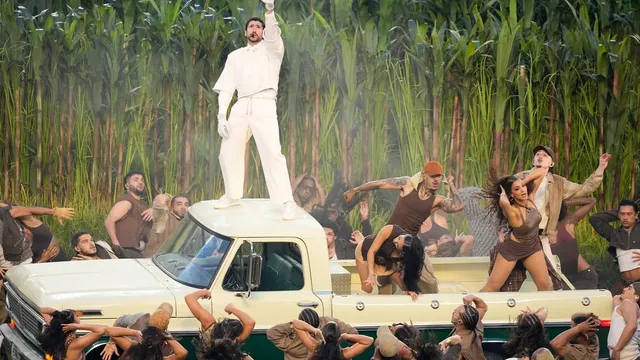
Puerto Rico celebrates Bad Bunny's historic Super Bowl halftime performance
Puerto Rico celebrates Bad Bunny's historic Super Bowl halftime performance
- Many Puerto Ricans celebrated Bad Bunny's halftime performance during the Super Bowl on February 8, 2026.
- The event highlighted cultural pride, with locals expressing enthusiasm despite concerns about baseball representation.
- Overall, Bad Bunny's performance marked a significant moment for Puerto Rican identity and unity.
Story
Puerto Rico witnessed a significant cultural moment on February 8, 2026, as Bad Bunny, the island's renowned artist, performed during the Super Bowl halftime show. The event gained immense attention and pride from Puerto Ricans, as many gathered to watch the performance, reflecting the celebration of their cultural identity on a global stage. The halftime show was an opportunity for the many who have always been connected to their homeland to appreciate and support an artist who has become an emblem of Puerto Rican pride. Despite the enthusiasm, the backdrop of baseball issues remained, as citizens were aware of the struggles relating to their World Baseball Classic team. In many places, people turned their attention towards Bad Bunny rather than the game itself, indicating a collective desire to support their own. The palpable excitement surrounding the performance became a unifying moment for Puerto Rico, as local businesses prepared themed merchandise showcasing the intersection of Puerto Rican culture with the prominent American sporting event. The viewing experience transcended a simple halftime show, morphing into expressions of national pride and cultural representation, as Puerto Ricans prepared for their artist to shine on such a mainstream platform. Responses to the performance indicated that many considered it a historic moment, while also acknowledging the broader societal themes inherent in Bad Bunny's work, which often addresses pressing issues regarding Puerto Rico's identity and challenges.
Context
The impact of Bad Bunny on Puerto Rican culture is profound and multifaceted, illustrating the dynamic interplay between music, identity, and social issues. As a leading figure in the reggaeton genre, Bad Bunny, whose real name is Benito Antonio Martinez Ocasio, has not only redefined musical boundaries but also served as an ambassador of Puerto Rican culture on a global stage. His unique blend of urban rhythms, pop, and traditional Latin sounds, combined with his innovative approach to music production, has garnered widespread acclaim, helping to elevate Puerto Rican culture and music to international audiences. His lyrics frequently address themes of love, heartbreak, and societal issues, resonating deeply with listeners and fostering a sense of community and pride among Puerto Ricans and the Latino diaspora at large. Moreover, Bad Bunny's rise to fame has coincided with an increased visibility of Puerto Rican identity and activism. By openly discussing political and social issues, including the crisis in Puerto Rico, gender equality, and mental health, he has positioned himself as not just a musician but a voice for change. His public stances, such as advocating for victims of Hurricane Maria and speaking out against political corruption, have galvanized fans and inspired a new generation to engage with social issues. This activism reflects a broader trend within reggaeton and Latin music, where artists increasingly use their platforms to incite discussion and advocate for change within their communities. The aesthetic and cultural expressions often found in Bad Bunny's music videos and performances also play a significant role in shaping and redefining contemporary Puerto Rican fashion and identity. He is known for his bold fashion choices that often challenge traditional gender norms, celebrating self-expression and diversity. His influence can be seen in the popularity of urban fashion, which incorporates streetwear and vibrant designs, encouraging young people to embrace their unique identities. This representation is crucial in a society that grapples with issues of identity and cultural heritage, as it affirms the visibility and importance of Puerto Rican voices in mainstream media. In summation, Bad Bunny’s impact on Puerto Rican culture transcends mere entertainment; it reflects a larger conversation about identity, resilience, and activism. Through his music, public persona, and advocacy, he has inspired a renewed sense of pride in Puerto Rican culture and has sparked meaningful discussions about societal issues facing the community. Bad Bunny exemplifies the power of music as a transformative tool, bridging gaps between generations and cultures, while fostering unity and support within challenging contexts. His contributions continue to mold the cultural landscape of Puerto Rico, making him a pivotal figure in the ongoing narrative of Puerto Rican identity.


