

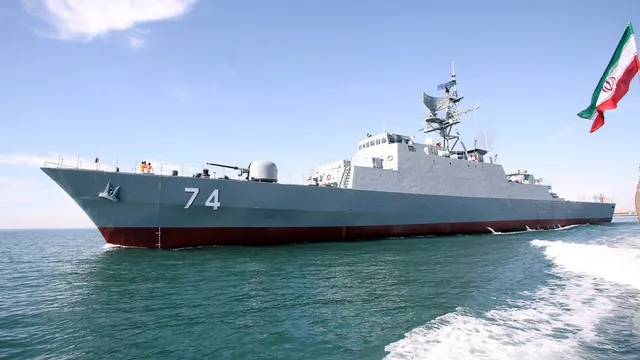
Iran seizes tanker accused of fuel smuggling amid rising tensions
Iran seizes tanker accused of fuel smuggling amid rising tensions
- Iran's Revolutionary Guard Corps intercepted a vessel claiming it was carrying smuggled fuel.
- Eswatini has denied any connection to the seized ship and asserts it is unauthorized.
- The incident highlights the rising tensions in the Persian Gulf, indicating that maritime confrontations are likely to escalate.
Story
Iran captured a vessel near the Strait of Hormuz, claiming it was transporting approximately 350,000 liters of smuggled fuel. This incident represents the latest in a series of maritime confrontations in these strategically important waters. Tensions in the region have escalated in recent years due to ongoing diplomatic failures, renewed sanctions, and confrontations involving Iran's nuclear program. The vessel was reportedly intercepted by Iran's Islamic Revolutionary Guard Corps (IRGC) during a routine patrol, leading to rising concerns about the implications for international shipping and the stability of global markets. Iran's actions are part of a broader trend of increasing maritime enforcement operations that have alarming potential for confrontation with both regional neighbors and the United States. Following renewed scrutiny over its nuclear program and recent US attacks on nuclear facilities, Iran has ramped up its military capabilities, including naval assets and missile systems. As diplomatic avenues remain stalled, authorities are signaling a readiness to assert control over maritime activities in their territorial waters. The ship that was seized, operating under the flag of Eswatini, faced immediate backlash from the African nation. Eswatini's government rejected any association with the vessel, stressing that it has no active ship registration system. The response from Eswatini highlights the complexities surrounding maritime operations and the potential for misidentification or unauthorized actions leading to heightened diplomatic friction and regional instability. With Iran's maritime enforcement actions expected to continue, the risks for commercial shipping in the area are increasing. The international community is likely to closely monitor Iran's activities as the situation unfolds, while Tehran's assertive stance in the Strait of Hormuz signals a willingness to provoke confrontation in a highly sensitive geopolitical environment.
Context
policy policy impact impact shift insight shift trends shift impact impact economic global impact strategic analysis market policy impact global insight insight global trends analysis shift economic economic insight market global trends trends strategic trends economic strategic global economic insight analysis global impact global insight insight insight trends global impact market analysis global market data policy insight market shift global market policy data strategic policy policy data impact policy policy strategic analysis policy economic impact economic geopolitical impact market market...


