

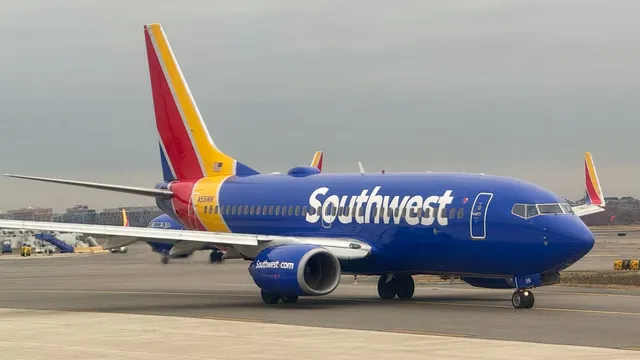
Southwest Airlines imposes extra charges for plus-size travelers
Southwest Airlines imposes extra charges for plus-size travelers
- Southwest Airlines will implement a new policy requiring larger passengers to purchase an extra seat ticket before flying.
- The policy will take effect on January 27, 2026, alongside assigned seating for the airline.
- Critics believe this change will worsen the travel experience for both larger passengers and those seated nearby.
Story
In the United States, a new policy announced by Southwest Airlines will come into effect on January 27, 2026. This change mandates that passengers who cannot fit comfortably within their seat’s armrests will need to purchase an additional seat well before their flight. Currently, Southwest allows larger passengers the option to buy an extra seat upfront with a potential for a refund or request an additional seat free of charge at the airport. This new regulation will end that flexibility, requiring passengers to buy an extra seat during the booking process. If they fail to do so and the flight is full at the airport, they will be transferred to a later flight. Travel experts and advocates such as Jason Vaughn, who runs the travel site Fat Tested Travel, criticize this policy change. Vaughn argues that the new rule could increase discomfort not only for larger travelers but also for other passengers seated next to them. The industry standard for determining if a person is encroaching on neighboring seats remains ambiguous, with Southwest declaring that they will make such determinations on a case-by-case basis. However, concerns about passenger comfort and fairness are intensifying as many worry about the implications this policy has for equal access to air travel. Alongside this new plus-size policy, Southwest Airlines has been implementing several other changes aimed at boosting profitability. The airline recently concluded its complimentary checked bag service and will begin assigning seats, charging extra for preferred and more spacious options. These announcements are part of a broader strategy in which the airline is adapting its services to respond to financial pressures while trying to maintain customer satisfaction. A growing number of passengers are left questioning how these decisions will affect overall air travel experiences across the board, particularly for those with special requirements. The intersecting changes at Southwest Airlines are raising broader discussions within the airline industry about accommodating diverse passengers. With the ongoing need to generate revenue and manage operational costs, airlines may struggle to find the right balance that ensures smooth and equitable service for all. As a result, many are left pondering the future of air travel and how inclusivity will be handled amid financial motivations.
Context
The report explores the implications of Southwest Airlines' extra seat policy, which allows passengers to purchase an additional seat if they feel they require more space for comfort during their flight. This policy is designed to enhance passenger experience and caters to individuals who may not fit comfortably within a single seat, addressing the growing concerns around passenger comfort and space in the aviation industry. Southwest's initiative comes at a time when airlines are facing increasing scrutiny over overcrowded flights and the general discomfort experienced by passengers. It is essential to examine how this policy can affect customer satisfaction, operational efficiency, and the airline's overall financial performance. From a customer service perspective, the extra seat policy can be perceived as a significant improvement in passenger comfort levels. By allowing passengers to purchase an additional seat, Southwest Airlines acknowledges the varied body sizes and shapes of its customers, providing a more inclusive travel experience. This could lead to higher satisfaction rates among travelers who appreciate the flexibility of this option, potentially resulting in increased loyalty to the airline. Furthermore, customers who utilize this service may recommend Southwest to others, driving new business and strengthening the airline's market position. However, there are economic implications that cannot be ignored. While the extra seat policy may enhance passenger comfort, it also raises questions about pricing strategies and revenue management. The airline must balance the cost of lost seat capacity against the potential revenue from the sale of additional seats. Moreover, this policy could create an inequitable experience for passengers, where those who can afford to purchase an extra seat may receive better service than those who cannot. This discrepancy could lead to negative perceptions of the airline from passengers who are unable to afford the added expense. Therefore, it will be critical for Southwest Airlines to communicate this policy clearly and ensure that all passengers feel valued and respected. Operationally, implementing an extra seat policy requires careful consideration of various logistical factors. The airline needs to assess seat availability, adjust scheduling practices, and properly train staff to manage customer inquiries regarding the new policy. There is also the potential for complications when it comes to boarding procedures and seating arrangements, as the airline must ensure that the needs of extra seat passengers are adequately met without causing delays or discomfort for other travelers. As Southwest Airlines navigates these practical considerations, it will be essential for the airline to monitor the effectiveness of this policy, evaluate its impact on logistics, and make adjustments as necessary to ensure efficient operations without compromising service quality. In conclusion, while Southwest Airlines' extra seat policy presents an opportunity for improved passenger comfort and potentially enhances customer loyalty, it also carries economic and operational implications that the airline must navigate carefully. Evaluating the costs and benefits of the policy will be crucial for its long-term sustainability. By prioritizing transparency and operational efficiency, Southwest Airlines can effectively implement this policy, while also ensuring a fair and equitable travel experience for all passengers.


