

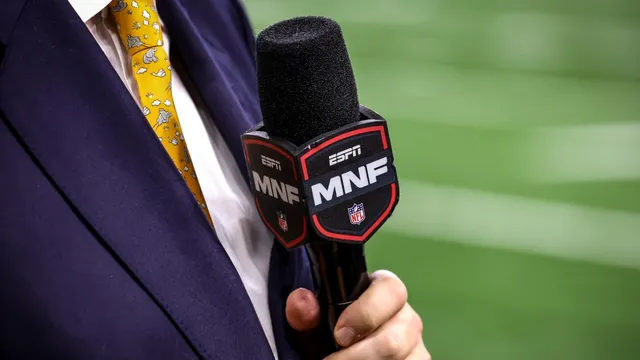
NFL secures 10 percent stake in ESPN through media merger
NFL secures 10 percent stake in ESPN through media merger
- The government approved the merger between ESPN and NFL Media on January 31, 2026.
- ESPN acquired operational control of NFL Network, NFL Fantasy, and distribution rights for RedZone.
- The merger creates a new era for NFL programming on ESPN, with expectations of greater access and innovative programming.
Story
In a significant development in the sports media landscape, the government approved a merger between ESPN and NFL Media. The deal was officially closed on January 31, 2026, shortly before the Super Bowl LX in San Francisco and Santa Clara, California. As a result of this merger, the NFL will own a 10 percent stake in ESPN, while ESPN will take over operational control of the NFL Network. This merger also includes the acquisition of NFL Fantasy and distribution rights for the RedZone channel, which ESPN will manage while the NFL retains ownership of the channel. With this newly formed partnership, NFL employees will start transitioning to ESPN in the coming months; this shift is expected to be finalized by April 2026. Furthermore, the merger will lead to expanded NFL programming on ESPN platforms, enhanced visibility for NFL content, and an integration of fantasy football operations, creating a more comprehensive product for fans. One of the most significant impacts of this merger is the way it reshapes the relationship between the NFL and ESPN, as the league effectively receives a stake in the very network it collaborates with to broadcast games. This arrangement marks an unprecedented level of interconnection between a professional sports league and a major media outlet, which raises potential questions regarding impartiality in coverage and the financial dynamics of media rights. With the NFL now having an equity stake in ESPN, the league will benefit financially each time ESPN pays for broadcasting rights to NFL games. This dual ownership model suggests a future where the NFL could explore similar equity partnerships with other networks, ensuring a strong hold on its broadcasting revenues while aiming for maximum exposure of its content across various platforms. As ESPN gears up to integrate NFL operations, fans can anticipate an influx of innovative programming and enhanced access to legendary NFL events and experiences. This merger has the potential to redefine the way fans engage with the NFL through television broadcasting, as well as how the league adapts to the changing landscape of sports media consumption.
Context
The impact of the NFL and ESPN merger on sports broadcasting is a multifaceted topic that addresses shifts in media strategy, audience engagement, and the economics of sports media rights. As one of the most significant partnerships in the history of sports broadcasting, this merger has created a notable ripple effect in how the NFL and sports in general are consumed by audiences. With ESPN's extensive reach and expertise in sports media, the collaboration is expected to enhance the visibility of NFL games and related programming, creating a more integrated experience for fans. The strategic alignment positions ESPN not only as a broadcaster but also as a key influencer in shaping the narrative and promotion of the NFL, thus securing a stronger foothold in the competitive landscape of sports media. Moreover, the merger alters the advertising dynamics within sports broadcasting. By pooling resources and sharing revenues, both entities can significantly boost their advertising capabilities. Advertisers are increasingly looking for avenues to directly engage with a highly coveted demographic of sports fans, and with the combination of NFL's viewership numbers and ESPN's advertising expertise, this merger presents a substantial opportunity. Enhanced analytics and personalized marketing strategies resulting from this synergy can lead to more effective ad placements, further stimulating growth and profitability in the sector. Furthermore, this could mark a transformation in the way digital content is managed, as the demand increases for on-demand programming in a streaming-centric market. Fan engagement strategies have also been revolutionized due to the merger. Digital engagement has become a cornerstone in sports broadcasting, and the NFL-ESPN partnership is set to expand interactive opportunities, such as live chats, social media integrations, and varied content delivery methods. By leveraging ESPN's platforms, the NFL can achieve a more tailored and interactive approach when engaging with fans, ensuring they have access to a range of multimedia content including highlights, player interviews, and behind-the-scenes footage. This shift towards a more comprehensive digital strategy can potentially strengthen loyalty among current fans while simultaneously attracting new viewership demographics. In conclusion, the NFL-ESPN merger exemplifies the ongoing evolution of sports broadcasting in a rapidly changing media environment. By strengthening their collaboration, both entities not only enhance the delivery of NFL content but also adapt to the expectations of a modern audience that demands flexible and engaging viewing experiences. The implications of this synergy extend beyond mere financial benefits; they signify a new era in how sports are packaged, marketed, and consumed across various platforms. As this partnership unfolds, it will be crucial to observe its long-term impacts on both the NFL's brand equity and ESPN's standing as a foremost sports broadcaster.


