

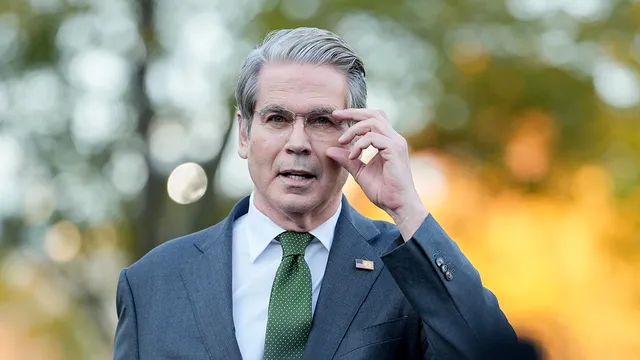
U.S. expects 3% GDP growth despite economic turbulence
U.S. expects 3% GDP growth despite economic turbulence
- Treasury Secretary Scott Bessent predicts a 3% GDP growth for the U.S. economy in 2025.
- Economic volatility has affected growth, including a 0.6% contraction in the first quarter.
- There is optimism around recovery, with GDP growth increasing by 3.8% in the second quarter.
Story
In 2025, the U.S. economy has faced significant challenges, including fluctuations in tariffs and shifts in immigration policies, which have contributed to its volatility. Despite these difficulties, Treasury Secretary Scott Bessent expressed confidence that the economy is on track to close the year with a 3% growth in gross domestic product (GDP). Bessent's remarks came during an appearance on CBS News' 'Face the Nation,' where he discussed President Donald Trump's predictions regarding consumer behavior amid rising prices. Bessent countered the narrative by pointing to a recent quarterly GDP surge of 3.8% and emphasized that the economy has performed better than anticipated so far this year. The economic landscape experienced a contraction of 0.6% in the first quarter of 2025, primarily due to a pre-emptive increase in imports ahead of new tariffs. However, the second quarter indicated a strong recovery with GDP growing at an annualized rate of 3.8%, driven largely by decreased imports. This growth resulted in an overall annualized rate of about 1.6% for the first half of 2025. The Federal Reserve's projections for the third quarter were optimistic as well, predicting a 3.5% increase in GDP, further supporting Bessent's confidence in achieving the 3% growth target by the end of the year. In addition to addressing economic growth, Bessent tackled public sentiment regarding inflation. Polling data indicated that many Americans disapprove of the current administration's handling of economic issues, such as inflation and affordability. Bessent criticized the media's portrayal of inflation and asserted that while inflation has impacted prices, real incomes have also experienced a rise of about 1%. He attributed the inflation issues to policies enacted under previous administrations, claiming that Democrats created conditions of scarcity that have led to the current affordability challenges. Bessent's assurances come amid concerns that the economic gains might not be perceived by all, especially as inflation levels once peaked at high levels over the past years. The consumer price index dropped to a low of 2.3% year over year in April but rebounded to 3% by September. The complexities of inflation and real incomes continue to represent a challenging balance for U.S. citizens as they navigate their financial futures. Bessent remains optimistic, claiming that with the right measures, the administration will shift focus towards broader prosperity in the coming year.


