

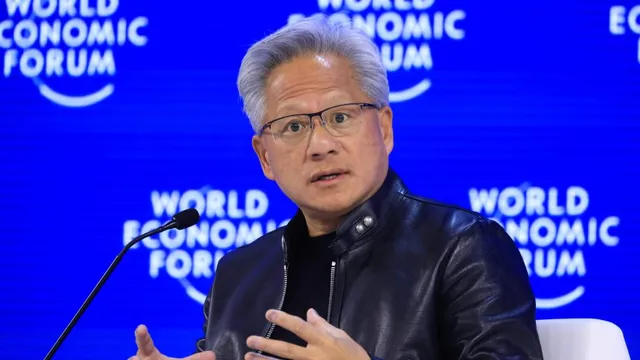
AI infrastructure spending could reach trillions, warns Jensen Huang
AI infrastructure spending could reach trillions, warns Jensen Huang
- Nvidia CEO Jensen Huang stated that total expenditures for AI infrastructure could reach trillions of dollars.
- The initial $700 billion investment is part of a larger strategy to meet the growing demand for AI technologies.
- This investment is expected to have significant effects on the U.S. economy and labor market.
Story
In a recent announcement, Jensen Huang, the CEO of Nvidia, emphasized the enormous financial requirements for developing AI infrastructure. Recently published data estimates that the initial investment of $700 billion, which exceeds the GDP of several countries, is merely the beginning of a much larger financial commitment expected in the future. According to McKinsey, total investments in data centers could accumulate to about $6.7 trillion by the year 2030 to support the soaring demand for AI technologies. Huang highlighted the significant economic implications that such a capital investment would have in the U.S. economy. A study by Harvard economist Jason Furman indicated that without the growth driven by data centers, the projected GDP growth for the U.S. in the first half of 2025 could stagnate at a mere 0.1%. This reality underscores the critical importance of tech companies, including Nvidia, Alphabet, Amazon, Meta, and Microsoft, in shaping the future economy. The report also addressed how this massive investment in AI infrastructure is likely to create a heightened demand for skilled labor in various trades, such as electricians, plumbers, and pipefitters. This presents opportunities for skilled workers traditionally considered safe from the encroachment of AI technologies. However, the Brookings Institution presented a contrasting view, suggesting that the influx of temporary jobs would not provide lasting or expansive employment opportunities for skilled workers. Meanwhile, the rapidly improving capabilities of AI fuel concerns about job security in white-collar professions. Research from Anthropic indicates that AI can potentially execute most tasks related to coding, legal work, and business operations. Leaders in the tech industry, such as Mustafa Suleyman from Microsoft, predict that white-collar roles will increasingly be automated within an 18-month timeframe, raising alarms over the future role of human workers in these fields.


