

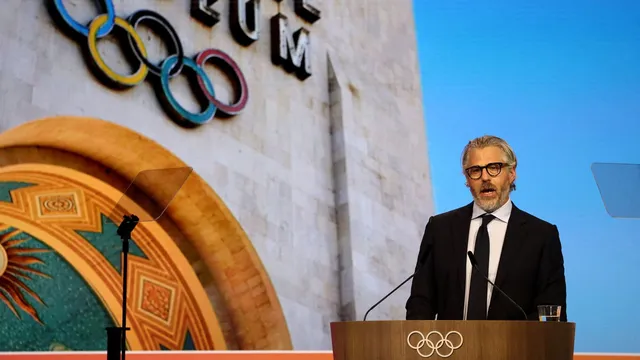
Casey Wasserman sells agency after backlash over past emails
Casey Wasserman sells agency after backlash over past emails
- Casey Wasserman is selling his talent and marketing agency due to backlash from old emails with Ghislaine Maxwell.
- He apologized to his staff for causing distraction and acknowledged his past personal mistakes.
- His decision to sell comes after criticism from the entertainment industry, highlighting the importance of moral values.
Story
In the United States, Casey Wasserman, chairman of the 2028 Los Angeles Olympics, is making headlines for deciding to sell his talent and marketing agency following a backlash related to historical emails exchanged with convicted sex trafficker Ghislaine Maxwell. Wasserman, who became a key figure in organizing the upcoming Olympic Games in Los Angeles, acknowledged in a memo to his staff that he had made 'past personal mistakes' and recognized that he had become a distraction to both his employees and the clients he serves. The emails, which dated back over 20 years, have drawn significant media attention now, stirring controversy and public scrutiny. Recently, pop star Chappell Roan announced her departure from Wasserman's agency in light of the controversy, stating that it was inappropriate for any artist, agent, or employee to feel pressured to defend actions that violate their moral values. This statement underscores the growing concern within the entertainment industry regarding associations with figures like Maxwell and Jeffrey Epstein, both of whom have been connected to numerous scandals. Although Wasserman has not been accused of any wrongdoing himself, his connection to the case through historical correspondence has impacted his business reputation considerably. Despite the uproar, the Los Angeles 2028 Olympic Committee has announced that Wasserman will retain his position as chairman. This decision has sparked a debate over whether an individual under such scrutiny should continue in a leadership role while being the face of one of the biggest events in sports. As the situation evolves, it remains to be seen how this will affect LA28's planning and public relations moving forward. The consequence of Wasserman’s past actions raises profound questions about accountability in the realms of leadership and influence. The timing of his agency sale indicates an attempt to distance himself from the controversy, demonstrating his desire to ensure a focus on the upcoming Olympics. Moving forward, the fallout from this situation will likely influence public perception of Wasserman and the organizational structures behind the Los Angeles Olympics, particularly as more artists and stakeholders weigh in on the imperative of ethical considerations in their professional affiliations.
Context
The impact of past associations on professional reputation is a critical area of study in understanding how individuals navigate their careers within various social and professional contexts. Associations made in earlier career stages, whether through previous employment, academic affiliations, or community engagement, can significantly shape perceptions and opportunities in the professional landscape. These associations play a pivotal role in constructing a professional identity, influencing how others view an individual’s competence, ethical stance, and overall reliability in their field. Such perceptions, which may be formed based on the reputation of past associates or organizations, can have long-lasting implications on an individual's career trajectory and opportunities for advancement. Moreover, the interconnectedness of today’s professional world means that one's past affiliations can come under scrutiny as individuals and organizations become more invested in ethical practices. For instance, being linked to a disreputable organization or individual can tarnish one’s reputation, regardless of personal achievements or contributions. Conversely, association with reputable figures or brands can enhance an individual's professional standing, leading to increased trust and respect within their industry. The ripple effects of these associations emphasize the importance of strategic networking and conscious choices regarding whom to partner with, advocate for, or engage in professional activities. In the modern landscape, with heightened transparency and social media presence, past associations are more visible and impactful than ever. Employers often conduct online searches of potential candidates, where past affiliations are easily accessible and analyzed. Some organizations prioritize this aspect by not only assessing an applicant’s qualifications but also their professional network and history of collaborations. Consequently, professionals are urged to remain mindful of the associations they forge, ensuring that they align with their desired reputation and career goals. The implications of past associations necessitate a proactive approach to reputation management, reinforcing the need for individuals to curate their connections carefully to cultivate a positive professional image. In conclusion, the impact of past associations on professional reputation cannot be understated. As individuals progress through their careers, the influences of previous affiliations continue to resonate, shaping perceptions and opportunities within their industries. Professionals should therefore be aware of their past connections and the potential consequences these relationships may have on their current and future careers. A well-considered approach to networking and association can enhance one’s professional reputation, opening doors to new possibilities and solidifying one’s standing in their field.


