

Kremlin faces rising public anger as dissatisfaction with Putin grows
Kremlin faces rising public anger as dissatisfaction with Putin grows
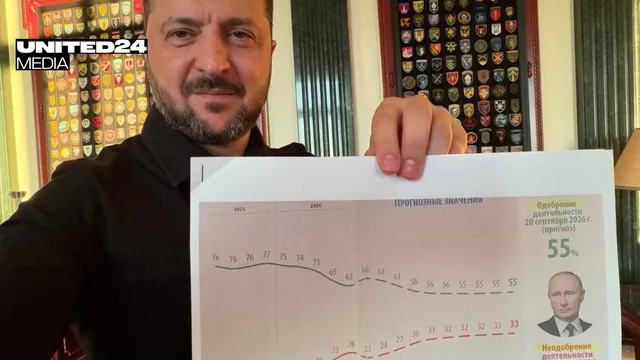
- Ukrainian intelligence has obtained Kremlin documents indicating rising public dissatisfaction with Vladimir Putin's rule.
- The reports forecast a decline in support for United Russia and a potential increase in protest sentiment across Russian regions.
- Zelenskyy suggests that if trends continue, future negotiations may need to involve a different Russian leadership.
Story
In Ukraine, President Volodymyr Zelenskyy announced on June 14, 2026, that Ukrainian intelligence had acquired internal documents from the Kremlin indicating a significant rise in public discontent with Russian President Vladimir Putin. These documents forecast a decline in approval ratings for Putin and his ruling party, United Russia, ahead of the parliamentary elections scheduled for September. Zelenskyy emphasized that the Kremlin is preparing for increasing public dissatisfaction, which is expected to continue without stabilizing before the elections. The reports also highlight a growing sentiment for protests across various Russian regions, suggesting a potential shift in the political landscape. Zelenskyy pointed out that the documents reveal a steady downward trend in support for United Russia, indicating that the party may need to resort to greater electoral falsifications to achieve favorable outcomes in the upcoming elections. He noted that the assessments may not fully account for events expected during the summer months, which could further influence public sentiment in Russia. The Ukrainian president expressed concern that the Kremlin continues to reject all peace proposals from Ukraine, indicating a lack of willingness to negotiate a resolution to the ongoing conflict. The situation is compounded by the financial pressures facing the Kremlin, as reported earlier in March, when Putin sought financial contributions from Russia's wealthiest businessmen to support the state budget amid rising military expenditures due to the war against Ukraine. This financial strain, coupled with declining public support, poses significant challenges for the Russian leadership as they approach the elections. Zelenskyy concluded that if current trends persist, future negotiations may need to occur with a different Russian leadership that is more open to reality and dialogue. He reiterated Ukraine's readiness to negotiate a dignified peace, despite the Kremlin's ongoing rejection of proposals. The implications of these developments could lead to a transformative period in Russian politics, especially if public dissatisfaction continues to escalate in the months leading up to the elections.


