

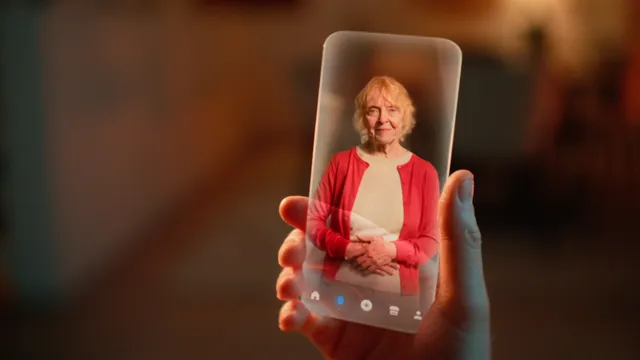
AI avatars aim to keep memories alive after death
AI avatars aim to keep memories alive after death
- A startup has introduced 'HoloAvatars' that allow interactions with digital representations of deceased individuals.
- Concerns arise from experts regarding potential unhealthy coping mechanisms associated with this technology.
- The conversation reflects a deeper societal struggle with loss, illustrating both the desire for connection and the challenges in processing grief.
Story
In recent months, a controversial AI startup has emerged, capturing widespread attention by allowing individuals to interact with digital representations of deceased loved ones through 'HoloAvatars'. These avatars are created using the mannerisms, stories, photographs, and videos of the deceased, aiming to preserve their consciousness. The initiative offers a modern twist on traditional storytelling methods, reminiscent of school projects where people collect stories from living relatives. However, this technology raises profound questions about grief and mourning, as experts warn of potential unhealthy emotional ties and complex grieving processes. The debate around this technology extends beyond mere interaction, touching on the possible emotional ramifications that engaging with a simulated version of a loved one can have on the living. Penbarthy, an expert on grief, expressed concerns that accessible avatars could lead to unhealthy coping mechanisms, as those in mourning may immediately resort to these digital interactions instead of processing their grief naturally. The conversation surrounding this technology reflects ongoing societal struggles with loss and remembrance. Barbeau, who created a simulation of a loved one, articulated his experience, stating that interacting with the avatar served as a means of unearthing repressed memories and emotions tied to his grief. His reflections highlighted the potential for such technology to evoke deep feelings, mirroring therapeutic approaches used to navigate loss. Yet, this experience prompts broader contemplation regarding the ethical implications of resurrecting personalities and memories in such a profound manner. The landscape surrounding digital avatars reveals not only the desire for connections beyond death but also the intricate challenges of ensuring healthy engagement with grief. Many advocates for the technology see it as a tool for closure or an innovative method of communication that could ease the process of mourning. The clash of perspectives emphasizes the need for careful consideration as society collectively navigates the balance between technology and emotional well-being.


