

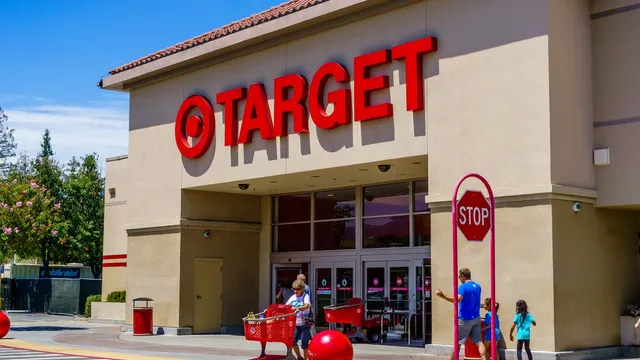
Target struggles as comparable sales decline again
Target struggles as comparable sales decline again
- Target's sales fell by 1.5 percent to $30.45 billion in the latest period, with a projected annual decline of nearly 2 percent.
- New CEO Michael Fiddelke is expected to unveil strategies for revitalizing the brand at the company's annual meeting in Minneapolis.
- Investors are looking for a revival in Target's brand image as competition increases and consumer dissatisfaction grows.
Story
In the United States, Target Corporation is grappling with significant sales declines, reported weeks ago. Under the leadership of new CEO Michael Fiddelke, who succeeded longtime CEO Brian Cornell last month, the company faced a 1.5 percent decrease in sales amounting to $30.45 billion for the latest period. This downturn is part of a larger annual trend, with total sales expected to drop nearly 2 percent to $104.78 billion for the fiscal year. Analysts had projected $2.16 per share earnings against sales of $30.46 billion, highlighting Target's underwhelming performance against expectations. Despite these struggles, Target projected a solid net sales outlook for the upcoming year, anticipating a 2 percent increase for a projected total of $106.88 billion, slightly surpassing analysts’ expectations of $106.7 billion. The CEO is scheduled to outline strategies for revitalizing the brand at an annual meeting in Minneapolis. Stakeholders are eager to witness a potential return to the company’s former reputation as an affordable chic retail leader, once nicknamed 'Tarzhay.' Target faces a challenging retail environment characterized by competition, particularly from Walmart, which has been focusing more on fashion and other categories. Recent sales growth in areas such as food and beverage, beauty, and toys indicates that consumers are shifting their preferences. In contrast, Target’s stores have been criticized for being poorly maintained, with customers noting unkempt shelves and lackluster merchandise. In addition to these operational issues, Target's management has navigated a politically charged atmosphere, particularly in light of recent immigration policy debates in the United States. The Minneapolis-based company's stores have found themselves at the center of protests against U.S. Immigration and Customs Enforcement. Additionally, Target has faced backlash from customers resulting from perceived rollbacks in diversity, equity, and inclusion initiatives, which some view as a departure from its philanthropic commitment to racial equity and progressive values. The convergence of these factors contributes to an ambiguous outlook for Target’s performance in the immediate future.


