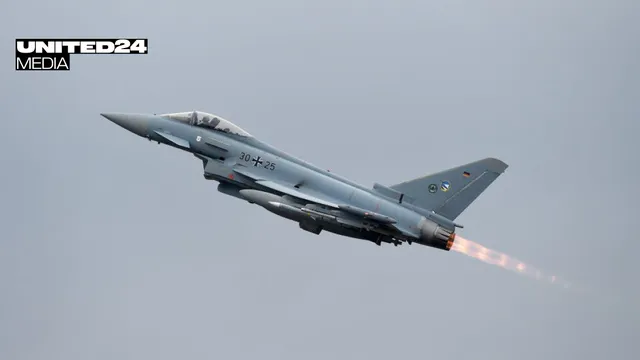
In response to escalating security concerns, NATO has transitioned its Baltic air policing mission into an active air defense operation. This change, announced on July 8, 2026, allows allied fighter pilots to engage and destroy aerial threats that pose an immediate danger. The Baltic air policing mission, which began in 2004, was originally established to monitor the airspace over Lithuania, Latvia, and Estonia after these nations joined NATO without their own fighter fleets. The recent upgrade follows incidents where NATO aircraft shot down suspected stray Ukrainian drones over Estonian and Latvian territories, marking a significant shift in operational protocol.
The decision to enhance the air defense capabilities comes amid a deteriorating security environment in the region. Lithuanian President Gitanas Nauseda emphasized that the previous peacetime policing format, which primarily involved intercepting and visually tracking foreign military assets, is no longer sufficient. The current geopolitical climate necessitates a more robust and responsive posture to address localized aerial threats effectively. Estonian Foreign Minister Margus Tsahkna also highlighted that the new framework is designed to provide greater flexibility and significantly faster response times.
Historically, NATO's Baltic air policing mission has involved routine interceptions of Russian military flights, particularly those traversing international waters between mainland Russia and the Kaliningrad exclave. The mission had already seen an operational expansion in 2014 following Russia's annexation of Crimea, which prompted NATO to increase its presence in the region with more than a dozen rotating fighter jets from various member states. This latest upgrade reflects the alliance's commitment to adapting its strategies in response to ongoing regional tensions and threats.
The recent incidents, including the interception of Russian Su-30SM aircraft by French Rafale fighter jets over the Baltic Sea, underscore the heightened military activity in the area. These encounters have raised concerns about airspace security and the potential for miscalculations that could lead to conflict. As NATO continues to bolster its air defense capabilities, the alliance aims to ensure the safety and security of its member states in the Baltic region, reinforcing its deterrent posture against any potential aggression.