

Poland hints at forgiveness for Slovakia if aid to Ukraine is unblocked
Poland hints at forgiveness for Slovakia if aid to Ukraine is unblocked
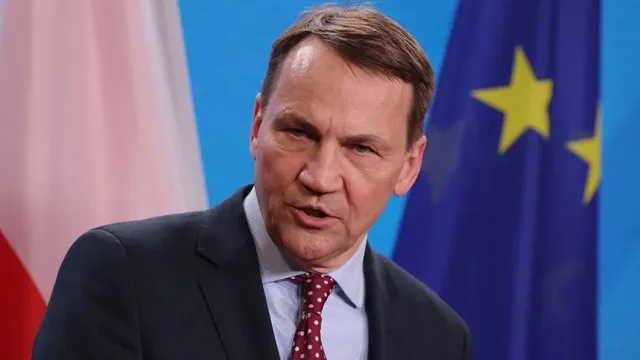
- Polish Foreign Minister Radoslaw Sikorski expressed readiness to restore relations with Slovakia if aid to Ukraine is unblocked.
- Robert Fico's visit to Moscow occurs amidst heightened tensions with Ukraine and ongoing critiques from EU allies.
- The Slovak Prime Minister's approach indicates a willingness to navigate complex geopolitical dynamics for potential economic and political gains.
Story
In Slovakia on May 9, 2026, Prime Minister Robert Fico traveled to Moscow for Victory Day celebrations, despite criticism from other EU countries regarding his stance on Ukraine. His government faced mounting tensions with Kyiv after disruptions in oil supply due to damage associated with Russian attacks. Despite opposing EU sanctions against Russia and aid to Ukraine, Fico maintained dialogue with Ukrainian President Volodymyr Zelensky, reiterating Slovakia’s support for Ukraine’s EU aspirations. As relations between Slovakia and Ukraine soured, Polish Foreign Minister Radoslaw Sikorski remarked on the possibility of reconciling with Fico if he facilitates EU support for Ukraine alongside engagement with Russia. Discussions highlighted Fico's balancing act in European politics, where Slovakia is often viewed as a conduit between the EU and Moscow. While seeking to mitigate economic dependencies, particularly concerning oil supplies critical to the Slovak economy, Fico's actions could be seen as opportunistic within the turbulent geopolitical landscape. Nevertheless, the Slovak Prime Minister's visits to Russia and overtures towards her ally suggest a pragmatism in foreign policy, emphasizing the need for dialogue over alienation. The divisions in the EU are evident, with Fico aligning with leaders known for their skepticism towards the EU's unified approach to Russia and Ukraine. This ongoing dynamic raises questions about the future relations between Slovakia and other EU nations, especially after the controversial decision to engage with Moscow at a time when the bloc is enforcing sanctions against it. In previous years, Fico's Russia visits incurred political backlash domestically, seen in dwindling support for his party after similar actions. Nonetheless, by presenting himself as a negotiator capable of bridging European interests, Fico aims to reshape Slovakia’s role within the EU while addressing domestic economic concerns stemming from energy supply issues. The consequences of these actions are significant: Fico's trip could exacerbate already strained relations between Slovakia and Ukraine while increasing skepticism from other EU member states. As the complex relationship between these nations unfolds, the ongoing conflict in Ukraine continues to serve as a critical backdrop influencing political decisions across the region.


