The impact of AI agents in enterprises has been profound and transformative, reshaping various aspects of business operations and decision-making processes. AI agents, which include chatbots, virtual assistants, and machine learning algorithms, have enabled organizations to enhance efficiency, reduce costs, and improve customer experiences. By automating routine tasks, AI agents free up human employees to focus on more strategic initiatives, thereby increasing overall productivity. Furthermore, the ability of AI to analyze vast amounts of data in real-time allows enterprises to make informed decisions quickly, adapting to market changes and consumer preferences with agility. This capability is particularly crucial in today's fast-paced business environment, where the ability to respond to trends can significantly impact a company's competitive edge.
In customer service, AI agents have revolutionized the way businesses interact with their clients. Chatbots and virtual assistants provide 24/7 support, handling inquiries and resolving issues without the need for human intervention. This not only improves response times but also enhances customer satisfaction, as clients receive immediate assistance. Additionally, AI agents can analyze customer interactions to identify patterns and preferences, enabling businesses to tailor their services and marketing strategies more effectively. As a result, companies that leverage AI in customer service often see increased loyalty and retention rates, contributing to long-term success.
Moreover, AI agents are playing a crucial role in data-driven decision-making across various sectors. By utilizing machine learning algorithms, enterprises can predict trends, optimize supply chains, and enhance product development. For instance, in manufacturing, AI can analyze production data to identify inefficiencies and suggest improvements, leading to cost savings and higher quality outputs. In finance, AI agents can assess risks and detect fraudulent activities more accurately than traditional methods. This shift towards data-centric operations not only streamlines processes but also fosters innovation, as businesses can experiment with new ideas and solutions based on insights derived from AI analysis.
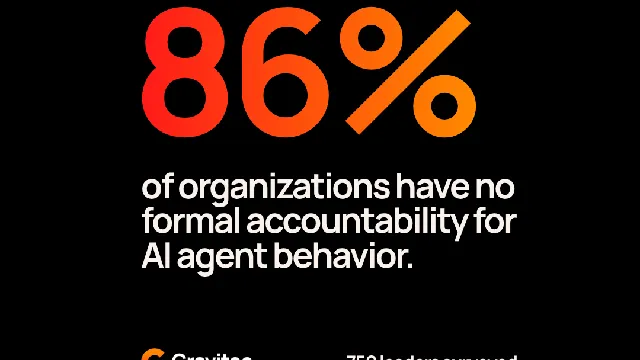
However, the integration of AI agents in enterprises is not without challenges. Concerns regarding data privacy, ethical considerations, and the potential for job displacement are significant issues that organizations must address. As AI technology continues to evolve, it is essential for businesses to implement robust governance frameworks that ensure responsible use of AI while maximizing its benefits. Training and reskilling employees to work alongside AI agents will also be critical in mitigating the impact of automation on the workforce. Overall, the impact of AI agents in enterprises is substantial, offering numerous advantages while also necessitating careful consideration of the associated challenges.