
military conflicts
controversial
tragic

Eight convicted of terrorism charges in Texas ICE facility attack

Mar 13, 2026, 4:18 PM50
(Update: Mar 14, 2026, 12:06 AM)
state of the United States of America

Eight convicted of terrorism charges in Texas ICE facility attack

  • On July 4, 2025, a shooting incident occurred at the Prairieland ICE detention facility in Texas, resulting in a police officer being injured.
  • Benjamin Song was convicted of attempted murder, while eight others faced terrorism-related charges but denied planned violence.
  • The convictions are part of broader discussions regarding the labeling of activist groups and their rights under the First Amendment.
Share your opinion
5

Story

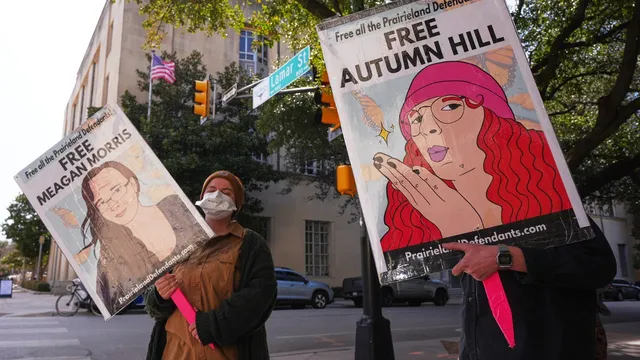
In the United States, a federal jury delivered a mixed verdict in the trial surrounding a violent incident on July 4, 2025, at the Prairieland ICE detention facility in Alvarado, Texas. Out of nine defendants, Benjamin Song was found guilty of attempted murder for shooting Alvarado Police Lt. Thomas Gross, while eight others were convicted of related terrorism charges such as providing material support to terrorists and conspiring to use explosives. The attack involved gunfire directed at police, resulting in one officer being wounded. The group allegedly used fireworks and vandalized the facility, which prosecutors characterized as premeditated action by a North Texas Antifa cell. This trial marked a significant moment, as it was the first federal indictment associated with alleged Antifa-related domestic terrorism charges, raising concerns regarding the government’s measures against protesters. Despite the convictions, defense attorneys contended there was no plan for violence, arguing that the defendants were unfairly labeled as terrorists, reflecting a broader debate about the government's definition of domestic terrorism and the First Amendment rights of protesters. The case is indicative of ongoing tensions between federal law enforcement and groups opposing immigration enforcement, pointing to the rising polarization and confrontations at protests across the nation.

Context

The implications of labeling protests as terrorism are multifaceted and can significantly impact civil society, political discourse, and the broader social fabric. When protests—often seen as vital expressions of dissent and democratic engagement—are characterized as acts of terrorism, it can lead to the stigmatization of legitimate social movements. This labeling not only serves to delegitimize the grievances raised by protestors but also creates an atmosphere of fear where individuals may be discouraged from exercising their rights to freedom of speech and assembly. The reaction from governing bodies may result in excessive law enforcement measures and repressive tactics that could further escalate tensions between authorities and protestors, thus undermining the foundational principles of democracy where dialogue and dissent should be encouraged rather than suppressed. Labeling protests as terrorism can also alter public perception and the media's portrayal of social movements. Such a designation can influence how people view the protesters and their motives, often framing them in a negative light that may perpetuate division within society. Media coverage may shift from highlighting the underlying issues or injustices that prompted the protests to focusing on the rhetoric of violence or chaos associated with the terrorism label. This shift can lead to a misinformed public that views protestors as threats rather than as individuals seeking justice or reform, thereby diminishing the impact and relevance of the movements' objectives. Furthermore, the legal ramifications of classifying protests as terrorism can be profound. This designation can result in the enforcement of harsher penalties for participants, which can deter peaceful activism and provoke a chilling effect on public participation in civic matters. Such policies may disproportionately affect marginalized communities who often rely on protest as a means of voicing their challenges and advocating for change. By framing dissent as terrorism, governments may justify measures that infringe upon civil liberties under the guise of national security, thereby raising ethical questions about the balance between maintaining order and upholding individual rights. In the international context, the labeling of protests as terrorism can also influence foreign relations and international laws regarding human rights. Countries that engage in labeling dissent as terrorism may find themselves in a precarious position when criticized by international bodies or other nations committed to upholding democratic values. Such actions can lead to strained diplomatic relationships and may impact foreign aid or trade agreements, as nations and organizations worldwide grapple with the consequences of endorsing or condemning such practices. Overall, the implications surrounding the labeling of protests as terrorism underscore the complexities involved in navigating the delicate balance between security and civil rights in contemporary society.

2026 All rights reserved
